ChatGPT Image Mar 9, 2026, 09_36_57 PM

How a Simple Ecommerce Store Audit Increased Conversions and Revenue

Many ecommerce businesses believe they need more traffic to grow.

But in reality, most stores already have traffic — they just don’t convert it efficiently.

This case-study-style breakdown shows how a detailed store audit helped identify critical issues and improve overall performance.

Let’s walk through the process.


The Store Situation

Before the audit, the store had:

  • Decent traffic from ads

  • A good product catalog

  • Competitive pricing

However, performance metrics looked like this:

Metric Before Audit
Monthly Traffic 40,000 visitors
Conversion Rate 0.9%
Average Order Value $42
Revenue ~$15,000/month

Despite heavy ad spend, the store wasn’t scaling profitably.

The goal of the audit was simple:
Find the leaks in the conversion funnel.


Step 1: Homepage Experience Review

https://a.storyblok.com/f/165154/1280x720/4a7d02d6e0/01_ecommerce-website-examples.jpg
https://posstack.com/images/blog/2023/10/cotopaxi.jpg
https://www.drip.com/hs-fs/hubfs/Imported_Blog_Media/image6-2-1024x554.png?height=554&name=image6-2-1024x554.png&width=1024
4

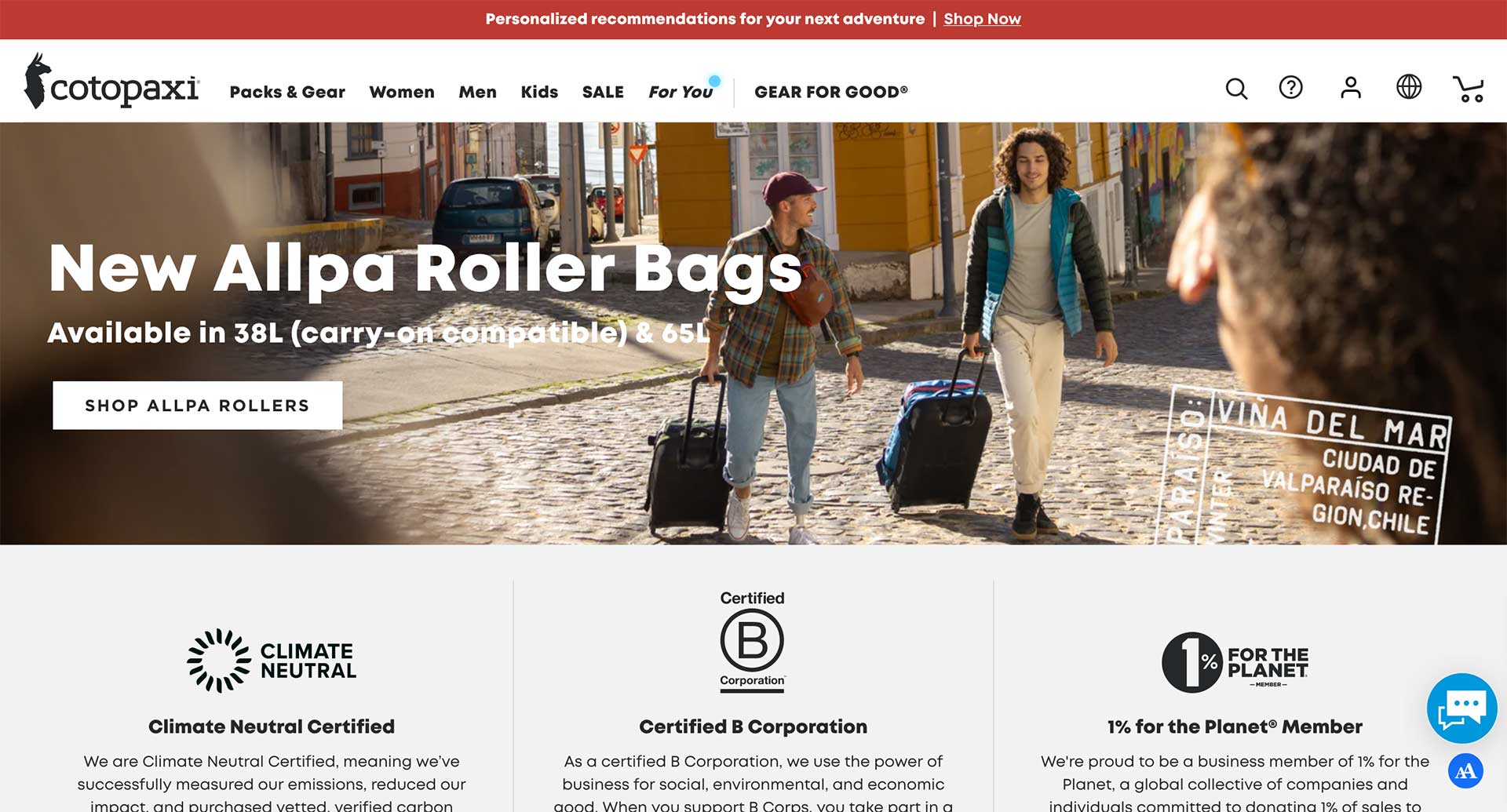
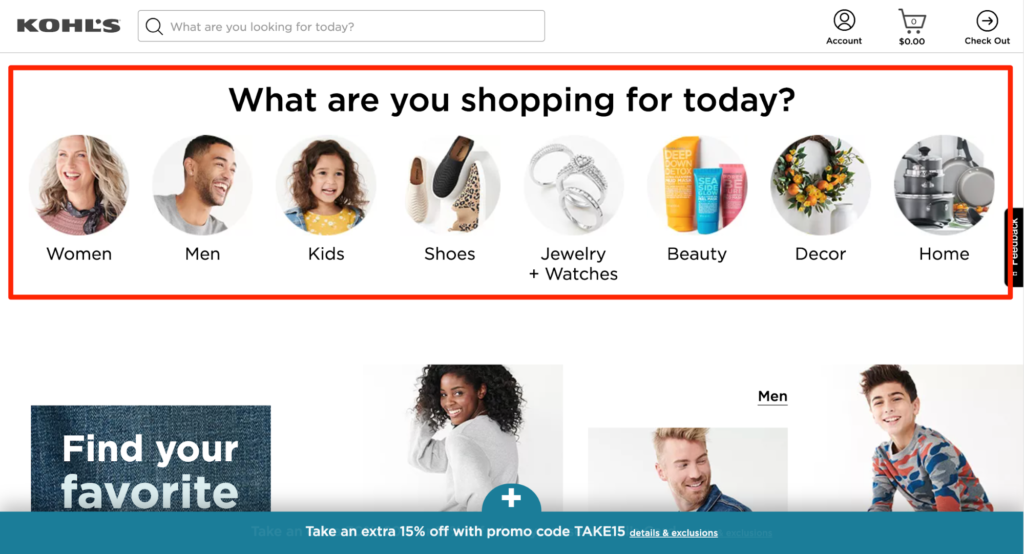
The first issue appeared immediately — the homepage lacked clarity.

Problems Found

  • No clear value proposition

  • Generic hero banner

  • No social proof

  • Weak product highlights

Visitors couldn’t quickly understand:

  • What the brand sells

  • Why the product is different

  • Why they should trust the store

Fix Implemented

  • Clear headline explaining the product

  • Customer review section

  • Featured bestsellers

  • Trust badges

Result:
Homepage bounce rate dropped by 18%.


Step 2: Product Page Optimization

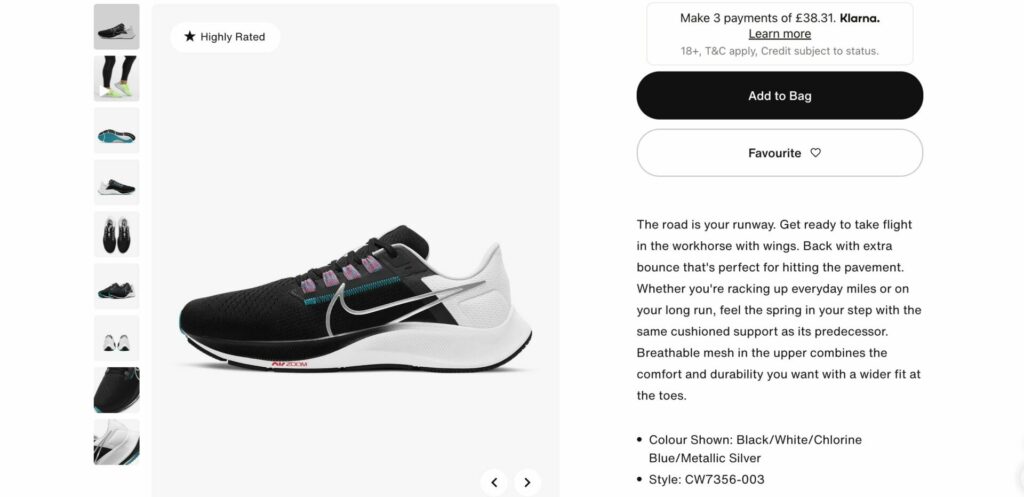
https://cdn.prod.website-files.com/5b5729421aca332c60585f78/62f410e77e55bc5f73e5accc_drsquatch-ecommerce-product-page-example.webp
https://cdn.shopify.com/s/files/1/0070/7032/files/product_page-frank.png?v=1698954933
https://pagefly.io/cdn/shop/articles/product-page-design_f44fcbfb-a8ae-4908-8fd7-9c666a53bd3c.jpg?v=1743392957&width=1640
4

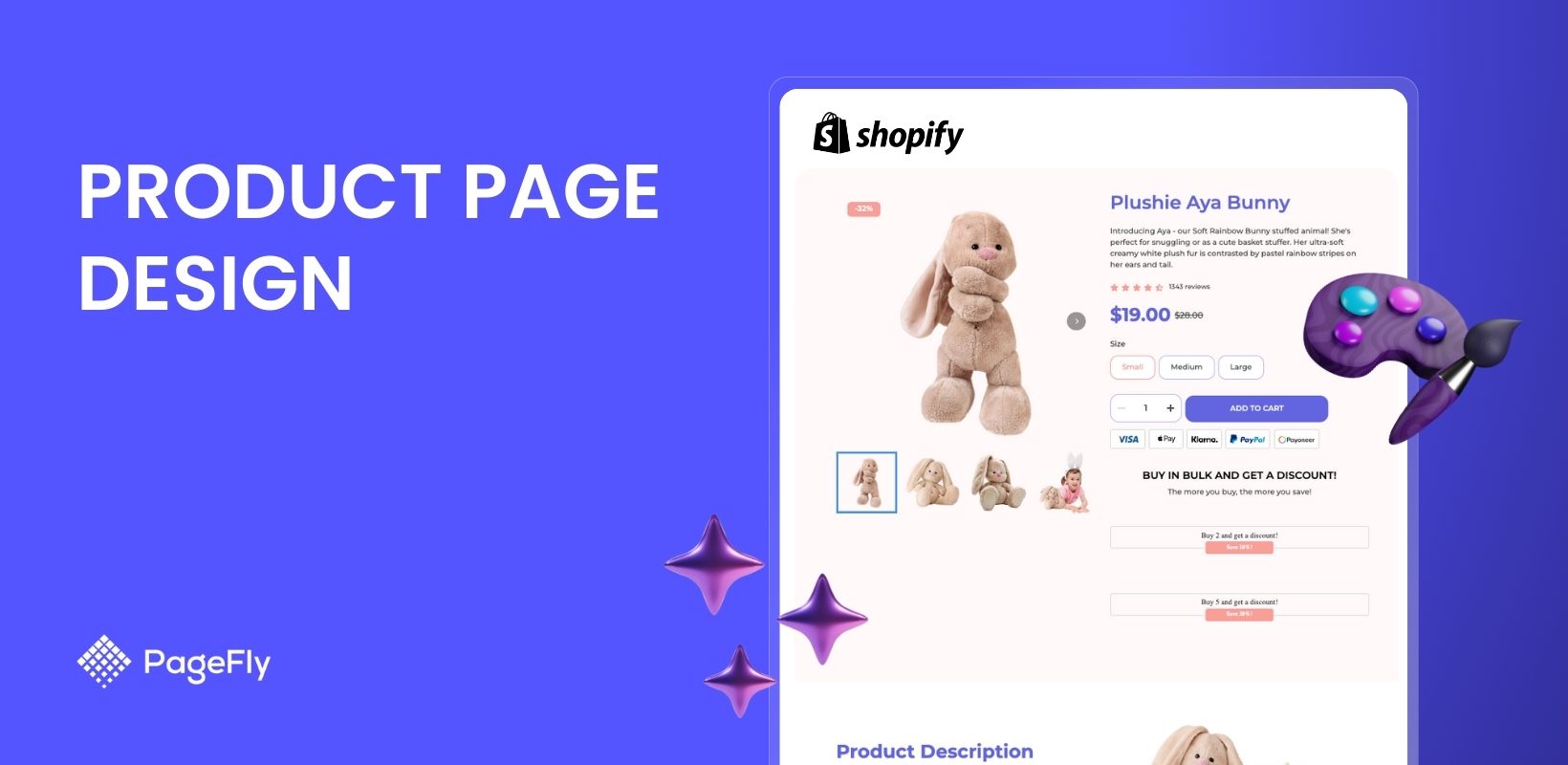
Product pages were the biggest conversion bottleneck.

Problems Found

  • Weak product descriptions

  • No benefit-focused copy

  • No reviews

  • No urgency elements

The page described the product — but didn’t sell it.

Fix Implemented

  • Benefit-driven product descriptions

  • Customer reviews and ratings

  • FAQ section

  • Sticky Add-To-Cart button

Result:
Add-to-cart rate increased by 27%.


Step 3: Mobile Experience Audit
https://cdn.dribbble.com/userupload/11558916/file/original-d17b9b846a67eb34324a90db575468e4.png?resize=400x0
https://cdn.shopify.com/b/shopify-brochure2-assets/fc4f1521ec41f0ac36b88e0652aed15e.png
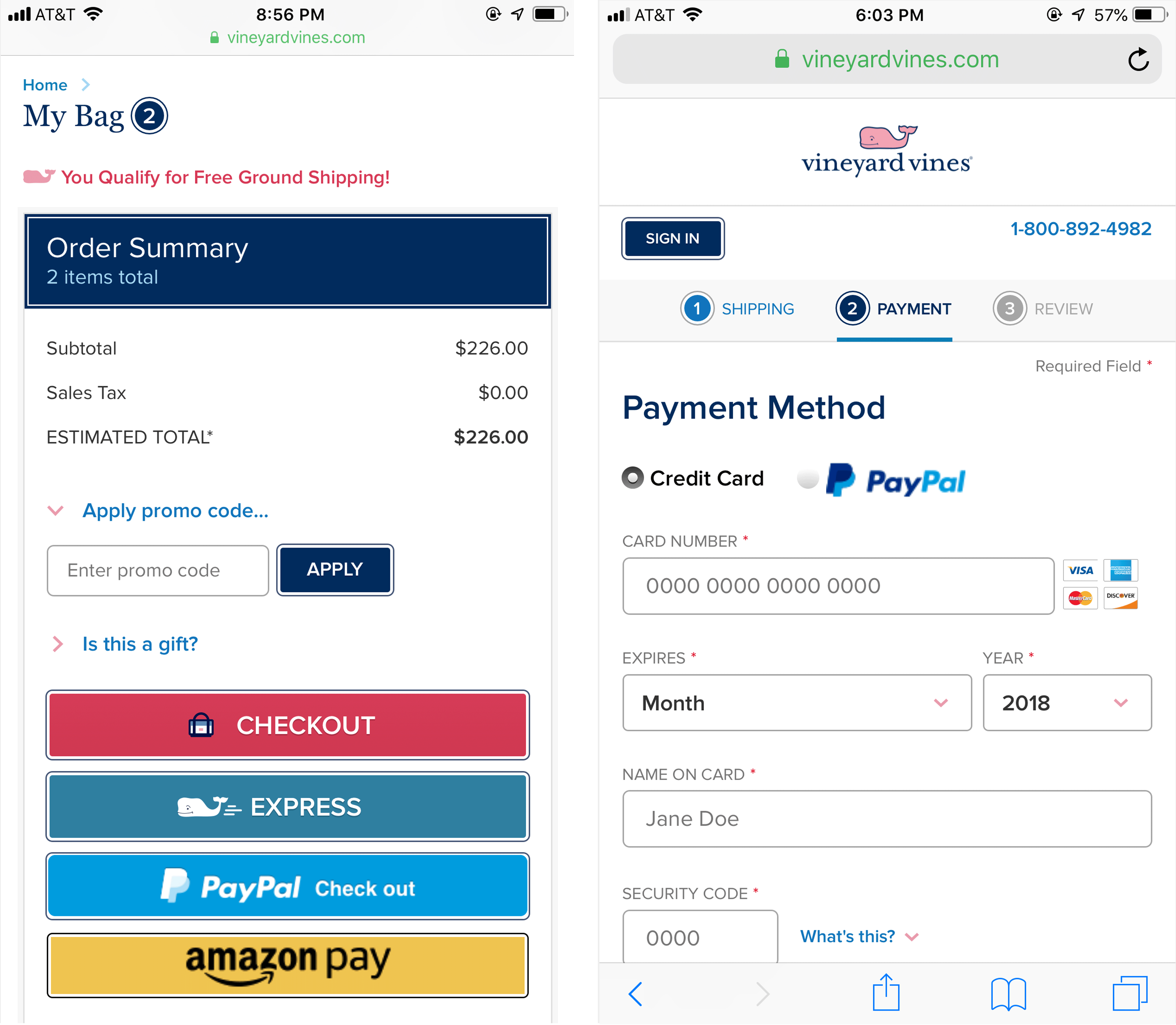
https://agentestudio.com/uploads/ckeditor/pictures/1875/Checkout-mobile-1.png
4

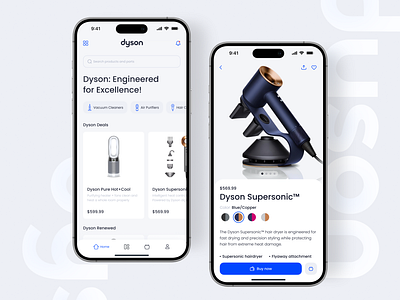
Over 72% of traffic was mobile, yet the mobile experience was poor.

Problems Found

  • Slow loading images

  • Small buttons

  • Difficult product selection

  • Long scroll for CTA

Fix Implemented

  • Optimized images

  • Larger mobile buttons

  • Sticky mobile add-to-cart

  • Simplified layout

Result:
Mobile conversion rate increased by 34%.


Step 4: Checkout Funnel Analysis

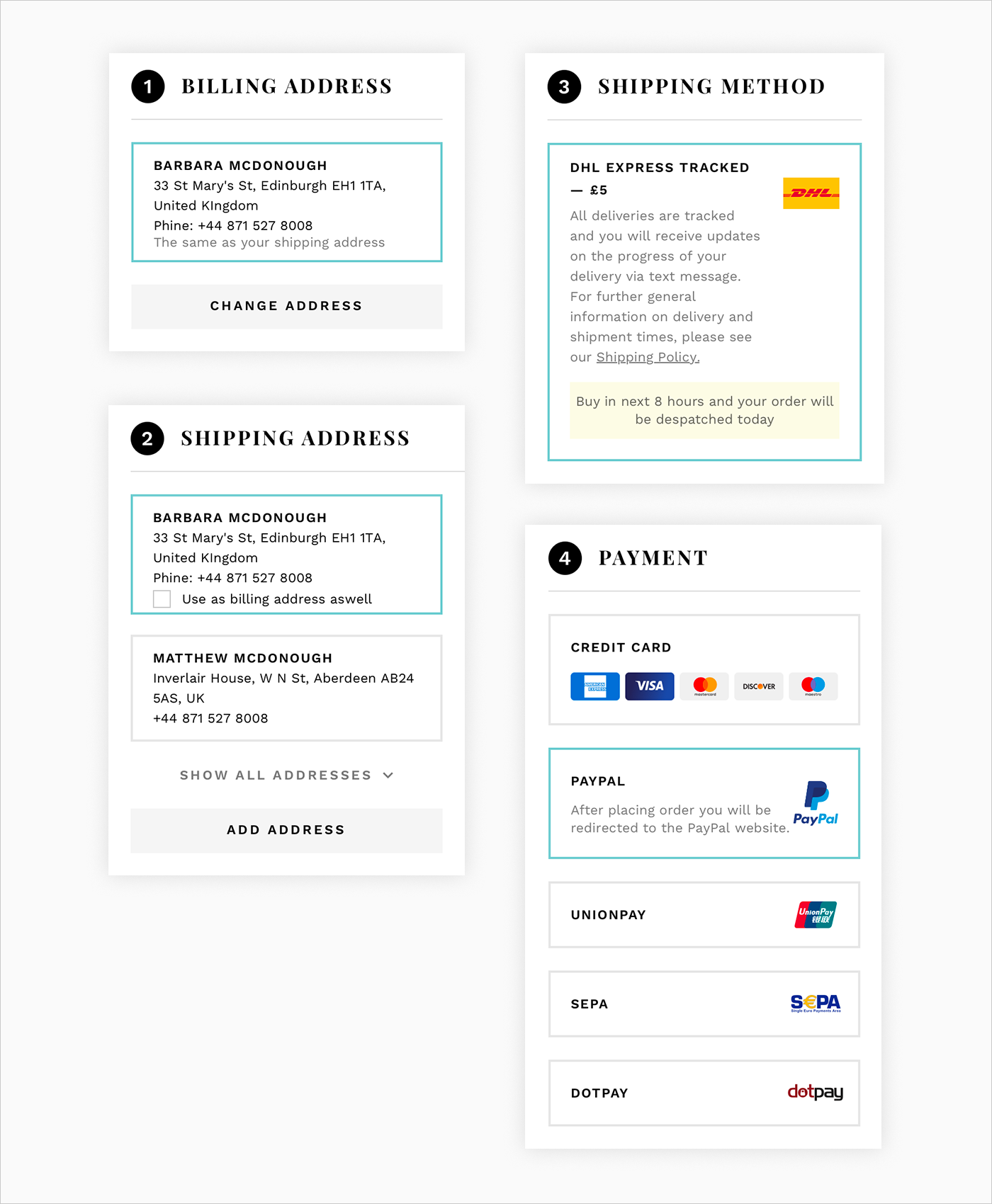
One of the biggest leaks was in the checkout process.

Problems Found

  • Unexpected shipping costs

  • Too many form fields

  • No express payment options

Customers were abandoning carts after reaching checkout.

Fix Implemented

  • Transparent shipping costs

  • Simplified checkout fields

  • Enabled fast checkout (Shop Pay, Apple Pay)

Result:
Cart abandonment reduced by 21%.


Step 5: Trust & Credibility Signals

New visitors often hesitate to buy from unfamiliar stores.

Problems Found

  • No visible customer reviews

  • Missing refund policy

  • No contact information

These issues can instantly reduce trust.

Fix Implemented

  • Customer testimonials

  • Clear refund and shipping policies

  • Visible support email & chat

Result:
Customer confidence improved significantly.


Final Results After the Audit

Within 60 days of implementing the audit fixes:

Metric Before After
Conversion Rate 0.9% 2.3%
Average Order Value $42 $51
Monthly Revenue $15k $47k

Traffic remained almost the same.

The difference came from better optimization.


Key Takeaways

This case study proves an important lesson:

Scaling ads without optimizing your store wastes money.

Before increasing traffic, fix your conversion funnel:

✔ Clear homepage messaging
✔ Optimized product pages
✔ Mobile-friendly design
✔ Simple checkout process
✔ Strong trust signals

Small improvements across the store can produce massive revenue growth.


Final Thought

Every ecommerce store has hidden opportunities.

A proper store audit uncovers:

  • Conversion blockers

  • UX problems

  • Trust issues

  • Revenue leaks

And fixing them can dramatically improve results — without increasing traffic.

If you’re planning to scale your ecommerce brand, start with a store audit first.

https://cdn.shopify.com/s/files/1/0817/7988/4088/files/googlepagespeedinsights.png?v=1722673671

Shopify SEO Checklist 2026

Rank Higher. Get Free Traffic. Scale Smarter.

In 2026, paid ads are more competitive than ever. That’s why smart ecommerce brands are doubling down on SEO.

If you’re running a Shopify store, this checklist will help you rank higher on Google, attract qualified traffic, and increase conversions — without increasing ad spend.

Let’s break it down.


1. Technical SEO Foundation (Fix This First)

https://cdn.shopify.com/s/files/1/0817/7988/4088/files/googlepagespeedinsights.png?v=1722673671
https://www.geckoboard.com/uploads/SEO-audit-dashboard.png
https://developers.google.com/static/search/blog/images/import/0b595804577d672f40e00831ee41775d.png
4

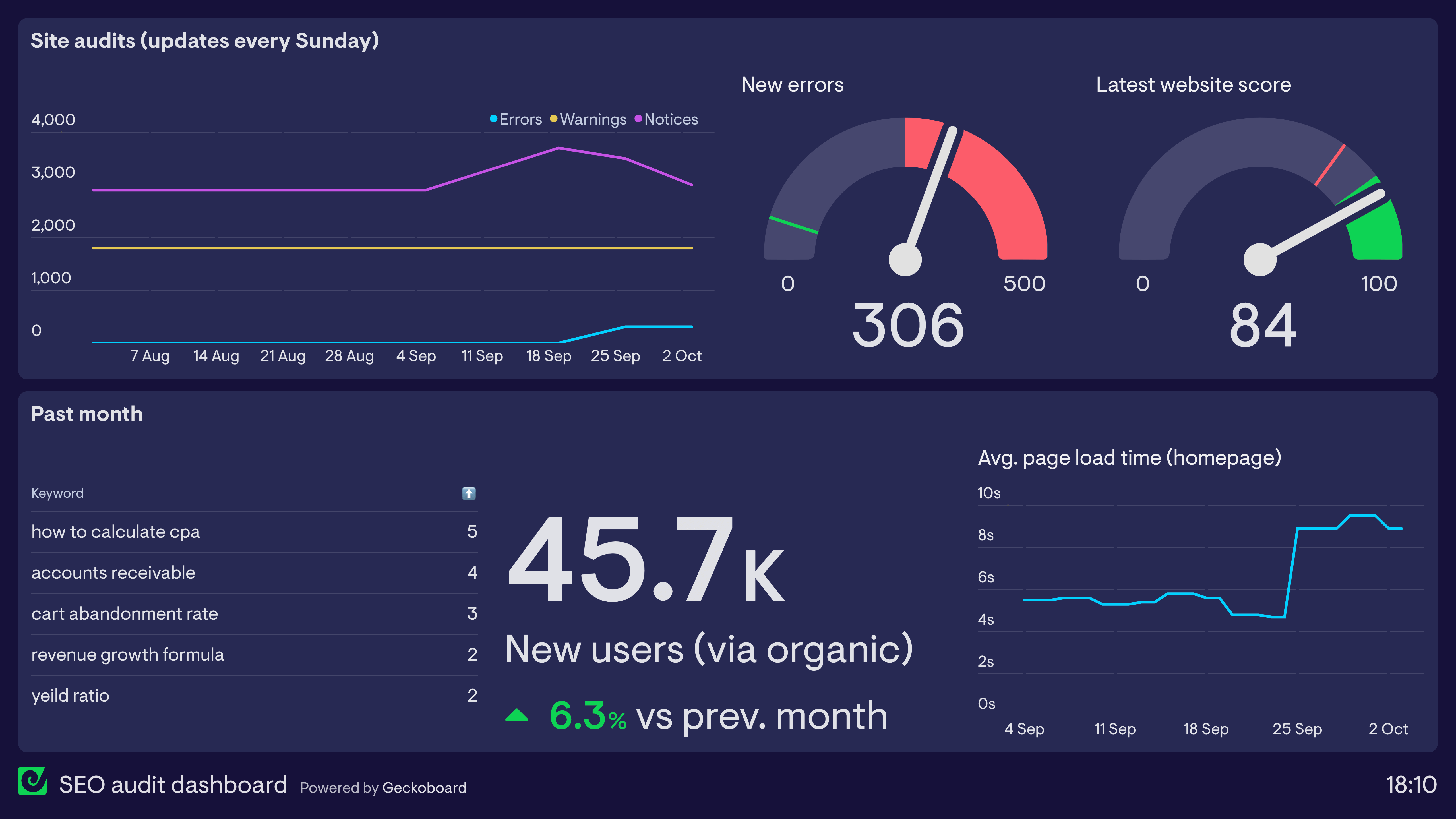
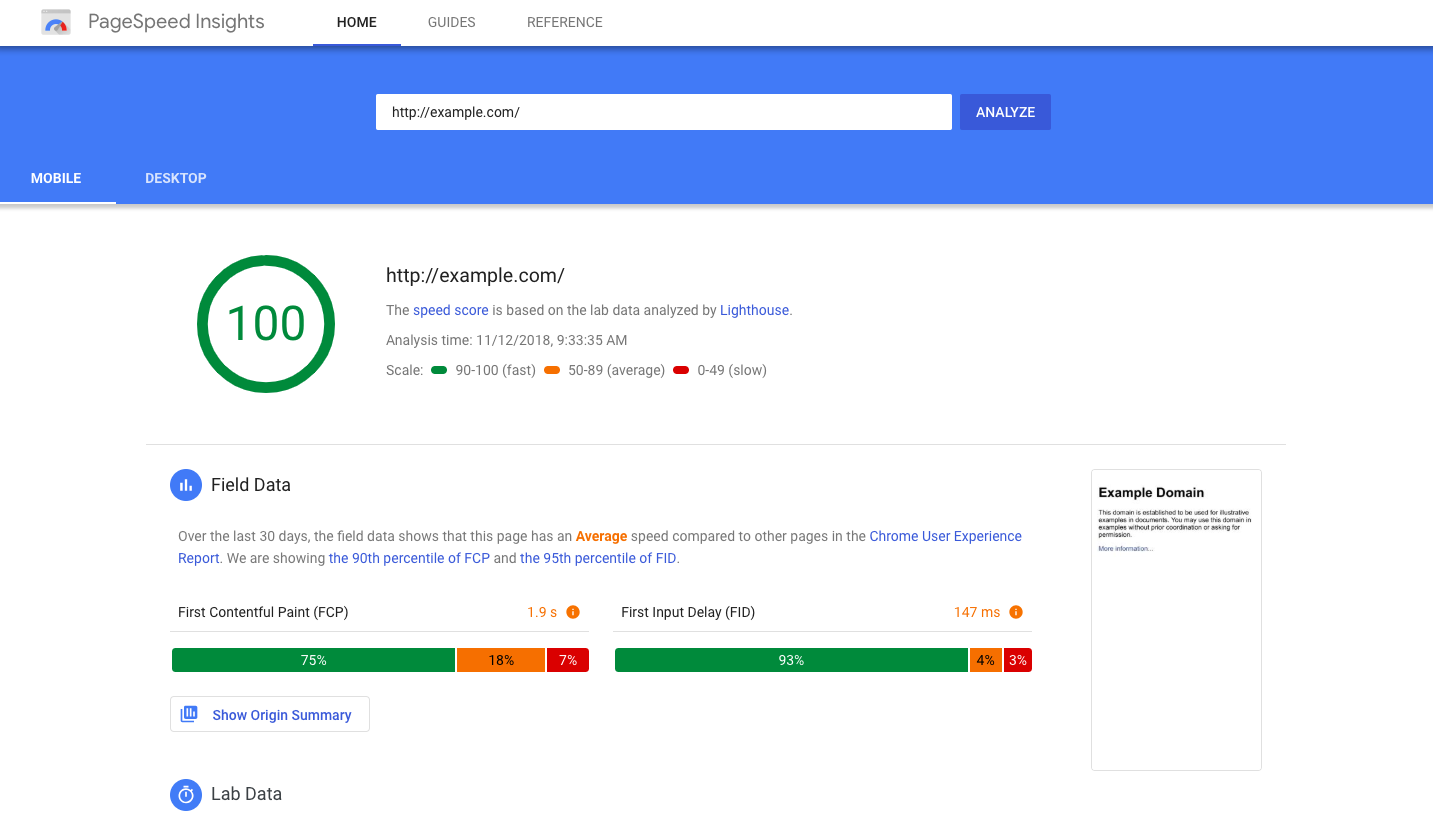
Before content and keywords, make sure your technical base is strong.

✅ Site Speed Optimization

  • Compress images (WebP format)

  • Remove unused Shopify apps

  • Use a lightweight, optimized theme

  • Lazy-load images

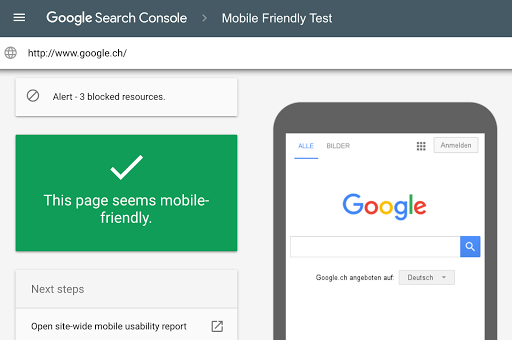
✅ Mobile Optimization

Over 70% of ecommerce traffic is mobile.
Make sure:

  • Fonts are readable

  • Buttons are easy to tap

  • Product images load fast

  • Checkout works smoothly

✅ Core Web Vitals

Focus on:

  • Largest Contentful Paint (LCP)

  • First Input Delay (FID)

  • Cumulative Layout Shift (CLS)

Google prioritizes fast, stable experiences.


2. Keyword Research for 2026

SEO in 2026 is intent-driven.

🎯 Focus on:

  • Commercial intent keywords
    (“buy leather laptop bag online”)

  • Problem-based keywords
    (“best bag for remote workers”)

  • Comparison keywords
    (“Brand A vs Brand B”)

  • AI-search optimized long-tail keywords

Tools You Can Use:

  • Google Search Console

  • Google Keyword Planner

  • Ahrefs / SEMrush

Target keywords with:
✔ Buying intent
✔ Medium competition
✔ Clear relevance to your product


3. Optimize Product Pages (Most Important)

https://cdn.shopify.com/s/files/1/0070/7032/files/product_page-haven2.png?v=1698954202
https://static.semrush.com/blog/uploads/media/25/18/25187218192e6a9650f382e923f4ce17/u1cHEFJVUFqj4wmykBZsHFR-66oJZ5-5nmgJemqbepxw8DV-3Lnc8_w9JGh8M7VH-hB_12gKCRDuUmUGga2dyUKh5U0oa3ry1NNf-Fh4R_nWV5vtA0R-vNngHyn_EX3SQHRKPaDyW2M75_UlpBvU7fg.jpeg
https://images.ctfassets.net/gwbpo1m641r7/4H8haeKNoksApKuSOAkaZs/367518d1363d207a0951693a8513f0c7/ASOS-_-Desktop-PDP-Star-Ratings-Click-Anchor.gif
4

Your product pages are your money pages.

✔ SEO Title Optimization

Use this formula:
Primary Keyword | Benefit | Brand Name

Example:
Leather Laptop Bag for Men | Waterproof & Slim | BrandName

✔ Meta Descriptions

Write persuasive copy (not keyword stuffing).
Include:

  • Main keyword

  • Benefit

  • Call to action

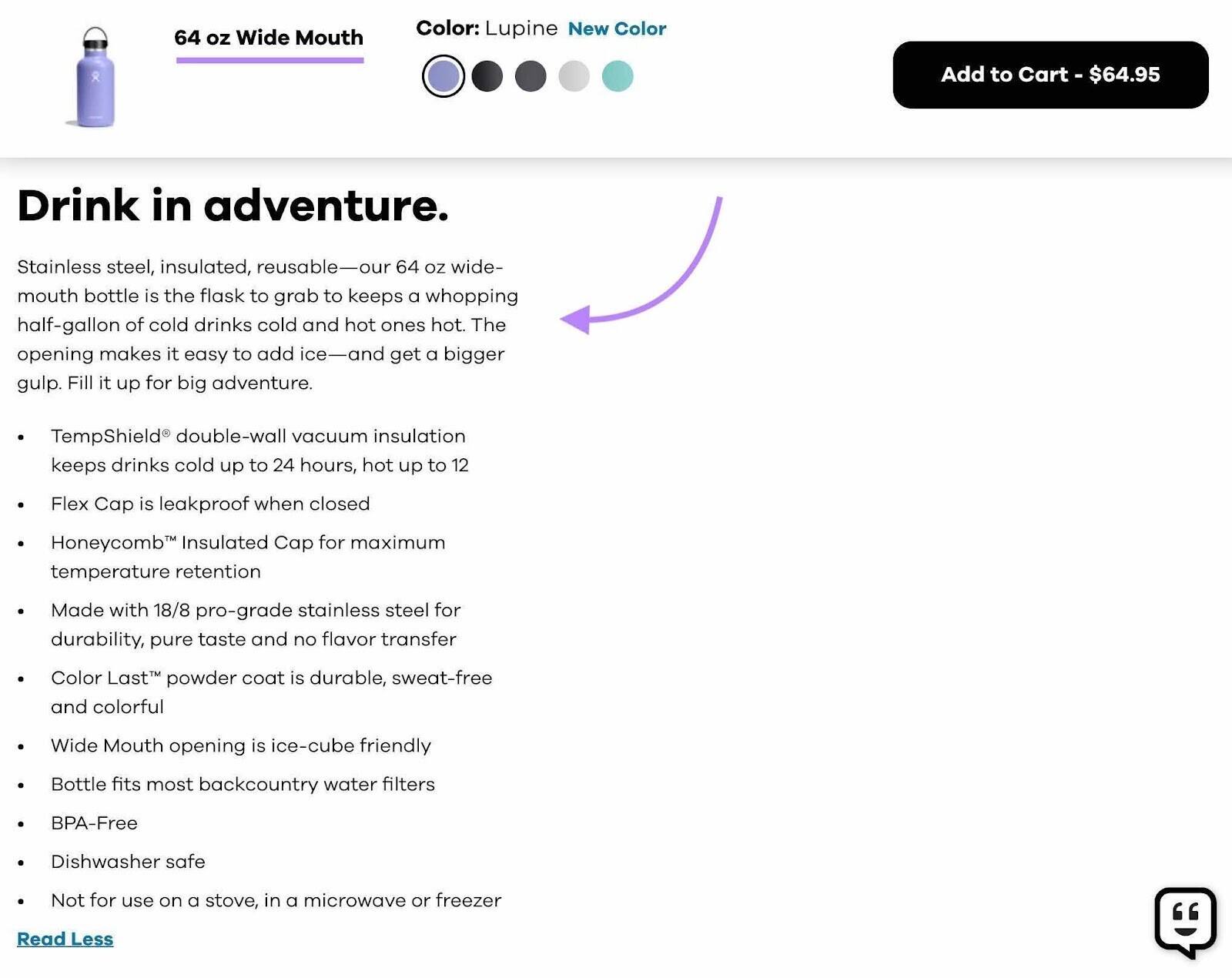
✔ Product Descriptions

Avoid manufacturer copy.

Instead:

  • Focus on benefits

  • Use bullet points

  • Answer FAQs

  • Add internal links

✔ Add Structured Data (Schema)

Enable:

  • Product schema

  • Review schema

  • FAQ schema

This increases click-through rate in search results.


4. Collection Page SEO

Most Shopify stores ignore collection pages — big mistake.

Optimize:

  • Collection title with keywords

  • 300–500 words of intro content

  • Internal links to top products

  • SEO-friendly URL structure

Example:
/collections/mens-leather-bags

Not:
/collections/collection-123


5. Content Marketing Strategy

https://cdn.shopify.com/s/files/1/0817/7988/4088/files/6af2d57d29d34308a2a2bf613f6a9faa.png
https://cdn.shopify.com/s/files/1/0070/7032/files/moz_a0a618e8-e45c-4bfd-8e69-60313999504f.png?v=1731042030
https://s3-alpha.figma.com/hub/file/4428292444/628650e2-517c-49c1-980f-613c8efb365f-cover.png
4

In 2026, informational content fuels commercial sales.

Write Blog Posts Around:

  • Buying guides

  • Product comparisons

  • Industry trends

  • Problem-solving topics

Then:

  • Internally link to product pages

  • Capture emails

  • Retarget blog readers with ads

SEO + Ads = powerful growth engine.


6. Internal Linking Structure

Help Google understand your store structure.

Best practices:

  • Link from blogs → collections

  • Link collections → products

  • Link related products together

  • Use keyword-rich anchor text (naturally)


7. Optimize Images for SEO

Most Shopify stores upload images named:

IMG_203948.jpg

Instead:

black-leather-laptop-bag.jpg

Also:

  • Add descriptive ALT text

  • Compress files

  • Use WebP format


8. Build Quality Backlinks

Backlinks still matter in 2026.

Strategies:

  • Guest posts

  • PR features

  • Influencer collaborations

  • Niche directories

  • HARO-style outreach

Focus on relevant sites in your niche — not spammy links.


9. Optimize for AI & Voice Search

Search is changing.

To prepare:

  • Use conversational FAQs

  • Answer direct questions clearly

  • Structure content for snippets

  • Add schema markup

Think like your customer would speak.


10. Track & Improve

SEO is not one-time work.

Track:

  • Keyword rankings

  • Organic traffic

  • Conversion rate from organic

  • Top landing pages

  • Bounce rate

Use:

  • Google Analytics

  • Google Search Console

Double down on pages that already rank on page 2 — they’re easiest to push to page 1.


Final Thoughts

Shopify SEO in 2026 is about:

✔ Technical strength
✔ Intent-based keywords
✔ Optimized product pages
✔ Smart content strategy
✔ Authority building

Paid ads bring fast results.
SEO builds long-term profit.

The brands that win in 2026 won’t rely on one channel.
They’ll build systems that generate traffic consistently.

If you want a customized SEO audit for your Shopify store, start with this checklist — then refine based on data.

Organic traffic is the most profitable traffic.

ChatGPT Image Feb 23, 2026, 07_20_27 PM

Before You Scale Ads: Fix These 12 Store Issues First

Before You Scale Ads: Fix These 12 Store Issues First

Scaling ads sounds exciting. More traffic. More orders. More revenue.

But here’s the hard truth: ads don’t fix broken stores — they expose them.

Before you increase your Facebook, Google, or TikTok ad budget, make sure your ecommerce store is fully optimized. Otherwise, you’re simply paying to amplify leaks in your funnel.

Here are 12 critical store issues you must fix before scaling ads.


1. Slow Page Speed

Image

Image

Image

Image

If your store takes more than 3 seconds to load, you’re losing conversions.

Why it matters:

  • Higher bounce rate
  • Lower Quality Score on ads
  • Poor mobile experience

Fix it:

  • Compress images
  • Remove unused apps
  • Use a fast theme
  • Optimize scripts

2. Weak Product Pages

Image

Image

Image

Image

Your product page must sell — not just describe.

Check for:

  • Clear benefits (not just features)
  • Strong headline
  • Social proof (reviews, UGC)
  • FAQs
  • Clear CTA button

If your product page doesn’t build trust, ads won’t save it.


3. No Clear Unique Selling Proposition (USP)

Why should someone buy from you instead of Amazon?

If your answer is “better quality” — that’s not enough.

Clarify:

  • What makes you different?
  • Why should customers trust you?
  • What specific problem do you solve?

Your USP should be visible above the fold.


4. Poor Mobile Optimization

Image

Image

Image

Image

Over 70% of traffic comes from mobile.

Check:

  • Button sizes
  • Image cropping
  • Sticky add-to-cart
  • Easy checkout

If your mobile UX is clunky, your ad money disappears fast.


5. Complicated Checkout Process

Every extra step reduces conversions.

Fix:

  • Enable Shop Pay / fast checkout
  • Remove unnecessary fields
  • Show shipping cost early
  • Add trust badges

A smooth checkout can increase revenue without increasing ad spend.


6. No Trust Signals

Would you buy from your store if you saw it for the first time?

Add:

  • Reviews
  • Real customer photos
  • Refund policy
  • Secure payment icons
  • Clear contact info

Trust reduces hesitation.


7. Weak Homepage Structure

Your homepage should answer 3 questions instantly:

  1. What do you sell?
  2. Who is it for?
  3. Why should I care?

Avoid clutter. Guide visitors clearly.


8. Bad Product Pricing Strategy

Are you:

  • Randomly pricing?
  • Ignoring competitors?
  • Not testing bundles?

Before scaling ads:

  • Test price points
  • Offer bundles
  • Add quantity discounts

Sometimes the issue isn’t traffic — it’s pricing psychology.


9. No Backend Revenue Strategy

Scaling ads without backend offers is risky.

Do you have:

  • Email flows?
  • Abandoned cart recovery?
  • Upsells & cross-sells?
  • Post-purchase offers?

Ads bring customers. Backend systems multiply profit.


10. No Conversion Tracking or Data Setup

If your:

  • Facebook Pixel
  • Google Tag
  • Conversion API

are not properly installed — you’re flying blind.

Before scaling:

  • Verify tracking
  • Check event accuracy
  • Test attribution

Data drives scaling decisions.


11. Poor Creative Alignment

Your ad creative must match your landing page.

If your ad promises:
“50% Off Today Only”

But the landing page shows:
“Summer Collection”

You lose trust instantly.

Message consistency = higher ROAS.


12. No Clear Scaling Plan

Scaling isn’t just “increase budget.”

Have a strategy:

  • Gradual budget increase (20–30%)
  • Duplicate winning ad sets
  • Test new creatives weekly
  • Monitor CPA & MER

Scaling requires systems — not emotion.


Final Thoughts

Running ads to an unoptimized store is like pouring water into a bucket with holes.

Before you scale:
✔ Fix speed
✔ Strengthen product pages
✔ Improve checkout
✔ Install proper tracking
✔ Build backend systems

Then — and only then — increase your budget.


If you’re running an ecommerce store and planning to scale in 2026, start with optimization first. Traffic is expensive. Conversions are everything.

ChatGPT Image Feb 17, 2026, 05_08_03 PM

10 Shopify Fixes That Instantly Improve Conversion Rate (Without a Redesign)

Most Shopify store owners think conversion rate problems need a full redesign.

But the truth is: you don’t need a new theme — you need smarter fixes.

Small improvements in trust, speed, product pages, and checkout flow can increase conversions fast — sometimes within days.

In this post, you’ll learn 10 Shopify fixes that instantly improve conversion rate without changing your store’s design.


1) Speed Up Your Store (Even Slightly)

Shopify stores lose sales when pages take too long to load — especially on mobile.

Even a 1–2 second delay can reduce conversions and increase bounce rate.

Quick Fixes:

  • Compress images (use WebP if possible)

  • Remove unused apps

  • Reduce homepage sections

  • Avoid autoplay videos

  • Use fewer custom fonts

Instant result: Better user experience + lower bounce rate.


2) Improve Your Product Page Above the Fold

When someone lands on your product page, they should immediately see:

  • Product name

  • Price

  • Clear product image

  • Star rating

  • Strong “Add to Cart” button

If they have to scroll to understand what they’re buying, you’re losing money.

Quick Fixes:

  • Move key info above the fold

  • Make Add to Cart button larger

  • Add a short benefit line under the title

Instant result: More Add to Cart clicks.


3) Add Trust Badges (But Don’t Overdo It)

Trust is one of the biggest conversion killers in ecommerce.

Customers are asking silently:

“Is this store legit?”

Quick Fixes:

Add trust badges near:

  • Add to Cart button

  • Checkout

  • Footer

Use simple badges like:

  • Secure Checkout

  • Free Returns

  • Fast Shipping

  • Verified Reviews

Instant result: Less hesitation = more purchases.


4) Add Shipping + Delivery Info on Product Pages

This is a huge one.

Most Shopify stores hide shipping info in the footer or checkout — too late.

Quick Fixes:

On product pages, show:

  • Delivery estimate

  • Shipping cost (or “Free Shipping”)

  • Return policy summary

Example:
“Ships in 24 hours | Delivered in 3–5 days | Easy returns”

Instant result: Fewer drop-offs at checkout.


5) Fix Your Product Descriptions (Stop Writing Like a Catalog)

Most product descriptions are boring and feature-heavy.

Customers don’t buy features — they buy outcomes.

Quick Fixes:

Replace:

  • “Made with premium fabric”

With:

  • “Feels soft all day and stays breathable — even in heat.”

Use this structure:

  • 2–3 benefit bullets

  • 1 short paragraph

  • 3–5 key specs

Instant result: Higher engagement and stronger intent.


6) Add Social Proof Where It Matters Most

Reviews placed at the bottom don’t help.

People need proof before they click Add to Cart.

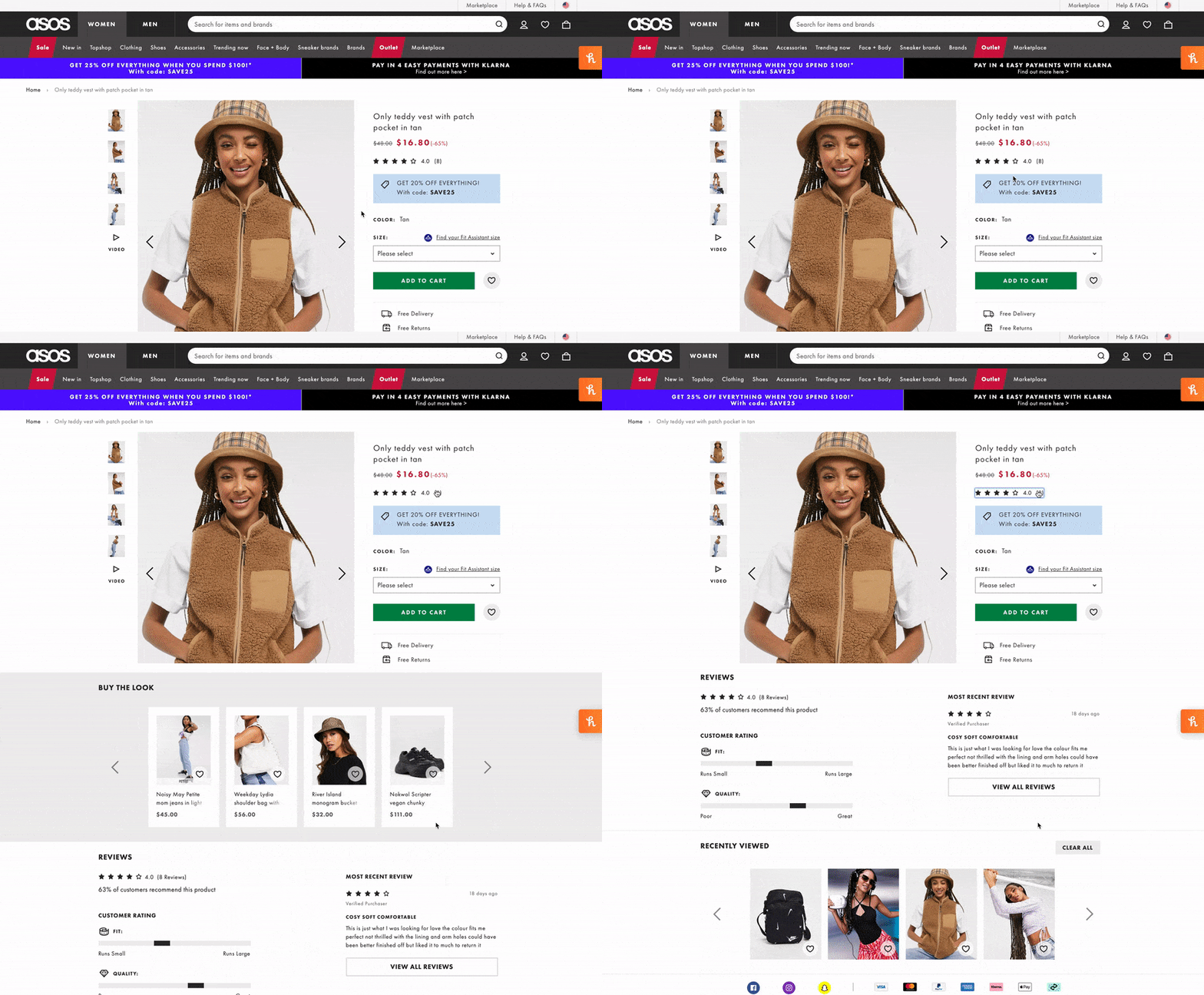
Quick Fixes:

  • Add star rating under product title

  • Show 1–2 best reviews near Add to Cart

  • Add UGC photos if possible

Bonus tip:
If you don’t have reviews yet, show:

  • “Over 2,000 orders shipped”

  • “Trending product this week”

  • “Best seller” badge

Instant result: More confidence = higher conversions.


7) Reduce Checkout Friction (Remove Extra Steps)

Checkout is where most Shopify stores lose sales.

Even if customers love your product, they may abandon due to friction.

Quick Fixes:

  • Enable Shop Pay / Apple Pay / Google Pay

  • Remove unnecessary form fields

  • Make sure guest checkout is enabled

  • Keep cart drawer simple

Instant result: Higher checkout completion rate.


8) Add a Sticky Add to Cart Button (Mobile)

Most Shopify traffic is mobile.

And on mobile, users scroll a lot — they lose the Add to Cart button.

Quick Fix:

Use a sticky Add to Cart bar that stays visible while scrolling.

This alone can increase conversion rate significantly for product pages.

Instant result: More Add to Cart clicks on mobile.


9) Fix Your Cart Page (Make It a Sales Page)

Many stores treat the cart as a dead end.

But the cart is actually a high-intent moment.

Quick Fixes:

Add:

  • Free shipping progress bar

  • Upsell (1 relevant item only)

  • Checkout button visible immediately

  • Trust line under checkout button

Example:
“100% Secure Checkout • Easy Returns • Fast Support”

Instant result: Higher cart-to-checkout conversion.


10) Add Exit-Intent Offers (Without Looking Cheap)

People leave for many reasons:

  • Comparing prices

  • Not sure about trust

  • Want discount

  • Got distracted

Instead of losing them, capture them.

Quick Fixes:

Use exit intent popups like:

  • “Get 10% off your first order”

  • “Free shipping today only”

  • “Save your cart — get reminders”

Keep it clean and minimal.

Instant result: Recover lost visitors and boost revenue.


Bonus: The Fastest Fix Most Stores Ignore

Add a Clear FAQ Section on Product Pages

Answer common objections directly:

  • Is it washable?

  • What size should I pick?

  • How long does shipping take?

  • What’s the return policy?

You can do this without changing the theme — just add a collapsible FAQ block.

Instant result: More trust + fewer customer support questions.


Final Thoughts: Fix First, Redesign Later

Before spending money on a redesign, try these fixes first.

They’re fast, practical, and proven — and they don’t require rebuilding your store.

If you implement even 3 of these fixes:

You’ll likely see improvements in:

  • Add to Cart rate

  • Checkout completion

  • Overall conversion rate

  • Customer trust

ChatGPT Image Feb 23, 2026, 07_30_09 PM

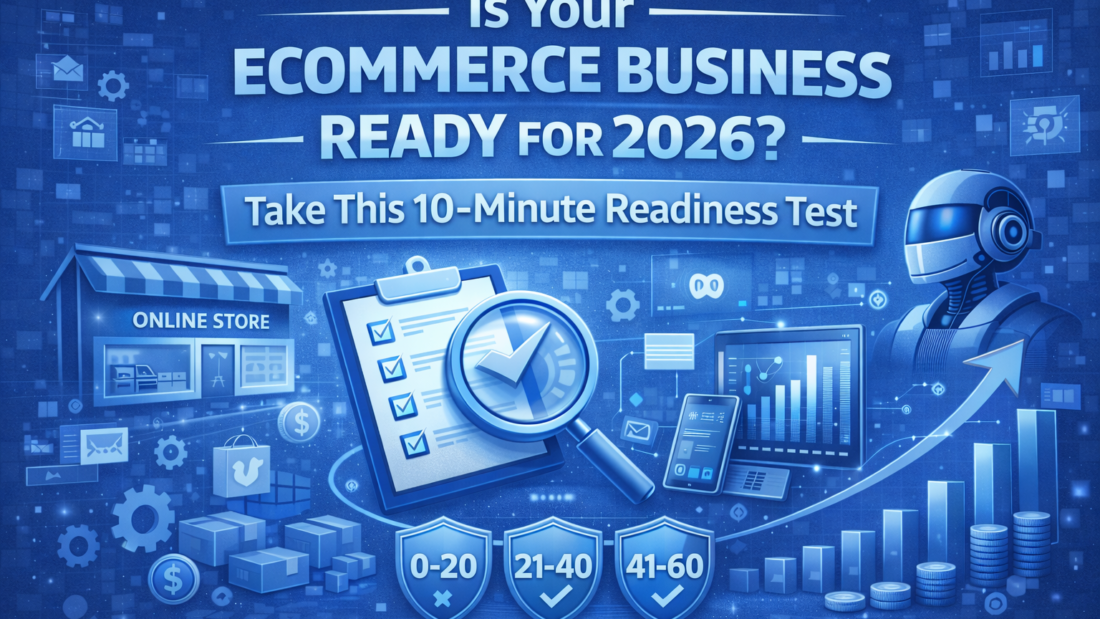
Is Your Ecommerce Business Ready for 2026? Take This 10-Minute Readiness Test

2026 is not going to be a “normal” ecommerce year.

Customer expectations are higher. Competition is tougher. Ad costs keep rising. AI is changing workflows. And brands that don’t have strong systems will feel it first.

The good news?
You don’t need a full rebrand or a massive budget to be ready.

You just need clarity.

This 10-minute ecommerce readiness test will help you quickly assess what’s working, what’s missing, and what you should fix before 2026 really kicks in.


How This Test Works

For each section, answer honestly:

  • Yes = 2 points

  • ⚠️ Somewhat = 1 point

  • No = 0 points

At the end, total your score and see your readiness level.


✅ Section 1: Store Foundation (Website & UX)

Your store is your engine. If it’s slow, confusing, or outdated, no amount of ads will save it.

Answer these:

  1. Is your website fast on mobile (under 3 seconds)?

  2. Is your homepage clear within 5 seconds (what you sell + why it matters)?

  3. Are your product pages optimized with strong images, benefits, and trust signals?

  4. Is your checkout smooth and friction-free?

  5. Do you have upsells, bundles, or cross-sells built into your store?

Score: ___ / 10


✅ Section 2: Conversion & Trust

In 2026, trust sells. Brands that look “cheap” lose instantly.

Answer these:

  1. Do you have real reviews, UGC, or testimonials displayed properly?

  2. Do you clearly show shipping times, returns, and customer support options?

  3. Do your product pages answer common objections?

  4. Do you have a professional brand identity (colors, fonts, layout consistency)?

  5. Do you have a strong offer (bundle, discount, free shipping, etc.)?

Score: ___ / 10


✅ Section 3: Marketing & Traffic Readiness

Scaling ads without a system = burning money.

Answer these:

  1. Do you have clear tracking (Meta Pixel, GA4, events, conversions)?

  2. Do you know your top 3 traffic sources (and why they work)?

  3. Do you have creatives ready (reels, UGC ads, images, video)?

  4. Do you have a content plan (not just random posting)?

  5. Do you have email/SMS flows running (welcome, abandoned cart, post-purchase)?

Score: ___ / 10


✅ Section 4: Operations & Fulfillment

This is where most brands break when they scale.

Answer these:

  1. Are your order processing and fulfillment workflows smooth?

  2. Do you have inventory planning (so you don’t stock out)?

  3. Do you track delivery performance and returns?

  4. Can your support handle 2x orders without collapsing?

  5. Do you have SOPs for daily operations?

Score: ___ / 10


✅ Section 5: Customer Experience & Retention

2026 is the year of retention.

Brands that keep customers will outgrow brands that only chase new ones.

Answer these:

  1. Do you have a repeat customer strategy (email, loyalty, bundles)?

  2. Do you track customer satisfaction or support response time?

  3. Do you have post-purchase content (guides, tips, follow-ups)?

  4. Do you offer easy returns and exchanges?

  5. Do you actively collect UGC and customer feedback?

Score: ___ / 10


🔥 Section 6: AI & Automation Readiness (2026 Essentials)

AI is not optional anymore. Even small brands are using it to move faster.

Answer these:

  1. Are you using AI for content creation, product copy, or ads?

  2. Do you use automation tools for workflows (support, inventory, reporting)?

  3. Do you have dashboards or reports to track performance weekly?

  4. Can you identify your bottlenecks quickly (ads, fulfillment, support)?

  5. Do you have a virtual team or outsourced support for execution?

Score: ___ / 10


🧾 Final Score: What Your Result Means

Add your scores from all sections:

Total: ___ / 60


🟥 0–20: Not Ready Yet (High Risk)

Your ecommerce business is currently at risk in 2026.

You may still be growing, but scaling ads or expanding operations right now could cause:

  • wasted ad spend

  • poor customer experience

  • operational breakdown

  • low repeat customers

Focus on: store fixes + tracking + fulfillment + support.


🟨 21–40: Partially Ready (Needs Optimization)

You have a working store, but gaps will show when you scale.

You can grow in 2026, but only if you fix your weak points first.

Focus on: conversion improvements + SOPs + automation + retention.


🟩 41–60: 2026-Ready (Built to Scale)

Your foundation is strong, and your business is positioned to grow.

Now it’s about:

  • scaling ads profitably

  • building customer loyalty

  • improving efficiency with AI + virtual teams

Focus on: growth strategy + systems + scaling operations.


What Smart Brands Do Next (After This Test)

If you scored under 40, don’t worry — most brands do.

But the smartest ecommerce businesses in 2026 do one thing differently:

They stop guessing and start systemizing.

Here’s what they fix first:

✅ The “High ROI Fixes”

  • Speed + mobile UX

  • Product page optimization

  • Checkout improvements

  • Email flows + abandoned cart

  • Support response time

  • Inventory planning

These improvements can raise conversions without spending more on ads.


Final Thoughts: 2026 Rewards Prepared Brands

The brands that win in 2026 won’t be the ones with the biggest budgets.

They’ll be the ones with:

  • better systems

  • faster execution

  • stronger customer experience

  • smarter automation

  • leaner operations


Want a Free Store & Operations Audit?

At WSO, we help ecommerce brands prepare for 2026 by improving:

  • store conversion

  • Shopify operations

  • customer support

  • automation

  • virtual team execution

📩 Reach out and we’ll help you identify your biggest growth opportunities.

ChatGPT Image Feb 3, 2026, 05_48_48 PM

How AI & Virtual Teams Are Reshaping Ecommerce Operations in 2026

Ecommerce in 2026 looks very different from just a few years ago.

Brands are no longer winning by hiring bigger teams or throwing more money at ads. Instead, the most successful ecommerce businesses are combining AI-driven automation with lean virtual teams to run faster, smarter, and more profitably.

This shift isn’t a trend—it’s a new operating model.

Let’s explore how AI and virtual teams are reshaping ecommerce operations in 2026, and why brands that adopt this model are pulling ahead.


1. The End of the “All In-House” Ecommerce Team

Traditional ecommerce teams were built around full-time, in-house roles: operations managers, support agents, analysts, and marketers. In 2026, that structure is proving too slow and expensive.

Today’s winning brands operate with:

  • A small core leadership team

  • AI tools handling repetitive tasks

  • Virtual teams executing daily operations

This hybrid model reduces overhead while increasing execution speed and flexibility.


2. AI as the New Operations Assistant

AI is no longer experimental—it’s operational.

In 2026, ecommerce brands use AI to support nearly every part of their workflow.

Where AI is making the biggest impact:

  • Order routing and fulfillment automation

  • Demand forecasting and inventory planning

  • AI-assisted customer support

  • Product content generation and optimization

  • Ad performance analysis and reporting

The key difference in 2026?
AI assists humans instead of replacing them.


3. Smarter Customer Support with AI + Humans

Customer support is one of the clearest examples of AI and virtual teams working together.

The modern support stack:

  • AI chat handles FAQs, tracking, and simple requests

  • Virtual support agents handle complex issues

  • Clear escalation rules protect customer experience

This approach delivers:

  • Faster response times

  • 24/7 coverage without night shifts

  • Lower support costs

  • Higher customer satisfaction

Support becomes a retention and revenue driver, not just a cost.


4. Virtual Teams Powering Daily Ecommerce Operations

Behind every scalable ecommerce brand in 2026 is a well-organized virtual team.

Commonly outsourced operational roles:

  • Store management and backend updates

  • Product uploads and listing optimization

  • Order processing and logistics coordination

  • Marketplace management (Shopify, Walmart, Amazon)

  • Reporting and performance monitoring

Virtual teams allow brands to scale up or down instantly—without long-term hiring commitments.


5. AI-Driven Decision Making (Not Guesswork)

In the past, ecommerce decisions were often based on intuition or delayed reports. In 2026, AI provides real-time insights.

Brands use AI for:

  • Sales trend analysis

  • Inventory alerts before stockouts

  • Identifying high-ROI products

  • Detecting operational bottlenecks

This allows founders to make faster, smarter decisions—before problems become expensive.


6. SOPs, Automation & Systemized Growth

AI and virtual teams only work when systems are clear.

That’s why 2026 ecommerce brands invest heavily in:

  • SOP documentation

  • Workflow automation

  • Role clarity and accountability

  • KPI tracking dashboards

When systems are in place, virtual teams execute smoothly—and AI amplifies productivity.


7. What Smart Brands Keep Human

Despite AI’s growth, some roles remain human-led.

Smart ecommerce brands keep:

  • Brand strategy and positioning

  • Final decision-making

  • Partnerships and negotiations

  • Creative direction and storytelling

AI supports these roles—but doesn’t replace them.


8. Cost Savings & Efficiency Gains

The financial impact of AI + virtual teams is significant.

Brands adopting this model report:

  • 40–70% lower operational costs

  • Faster turnaround times

  • Reduced founder burnout

  • Higher profit margins

More importantly, they gain time and clarity—two of the most valuable assets in 2026.


9. Why This Model Is the Future of Ecommerce

Ecommerce is becoming more competitive, not less.

Brands that cling to outdated team structures will struggle with:

  • High fixed costs

  • Slow execution

  • Limited scalability

Those who adopt AI and virtual teams gain a sustainable competitive advantage.

In 2026, efficiency is growth.


Final Thoughts: The New Ecommerce Operating System

AI and virtual teams are not replacing ecommerce founders—they’re freeing them.

By automating repetitive tasks and outsourcing execution, founders can focus on:

  • Strategy

  • Growth

  • Customer experience

  • Long-term vision

And that’s what winning ecommerce brands are doing in 2026.


Ready to Build a Smarter Ecommerce Operation?

At WSO, we help ecommerce brands combine AI, automation, and virtual teams to scale efficiently—without losing control or quality.

👉 Let’s modernize your ecommerce operations for 2026.

ChatGPT Image Jan 26, 2026, 08_05_29 PM

2026 Ecommerce Checklist: What to Fix in Your Store Before Scaling Ads

Running ads on a broken store is one of the fastest ways to burn money.

In 2026, ecommerce growth is no longer about increasing ad spend—it’s about fixing your foundation first. With rising acquisition costs and smarter consumers, every click needs to convert.

Before you scale your ads, use this 2026 Ecommerce Readiness Checklist to make sure your store, operations, and customer experience are built to handle growth.


1. Store Speed & Technical Performance

If your store loads slowly, your ads will fail—no matter how good they are.

What to fix:

  • Page load speed (mobile-first)

  • Broken links and missing images

  • Theme bloat and unused apps

  • Mobile UX issues

  • Checkout performance

Why it matters:

In 2026, users expect near-instant loading. Even a 1-second delay can kill conversions and inflate your cost per acquisition.


2. Conversion Rate Optimization (CRO)

Traffic is expensive. Conversion is profit.

What to fix:

  • Clear value propositions above the fold

  • High-quality product images and videos

  • Benefit-driven product descriptions

  • Trust badges, reviews, and social proof

  • Simple, distraction-free checkout

Why it matters:

Scaling ads without CRO is like pouring water into a leaking bucket.


3. Product Pages That Actually Sell

Your product page is your sales page.

What to fix:

  • Weak or generic product copy

  • Missing FAQs and objections handling

  • No UGC or lifestyle visuals

  • Unclear shipping, returns, and delivery timelines

  • Poor mobile formatting

Why it matters:

In 2026, customers need clarity, trust, and confidence before buying.


4. Backend Operations Readiness

More orders = more problems—unless your systems are ready.

What to fix:

  • Order processing workflows

  • Inventory syncing and stock alerts

  • Fulfillment automation

  • Refund and exchange handling

  • Supplier and logistics coordination

Why it matters:

Scaling ads without operational systems leads to delays, errors, refunds, and bad reviews.


5. Customer Support Systems

Support is a conversion and retention tool.

What to fix:

  • Live chat or helpdesk setup

  • Email response templates

  • Refund and returns SOPs

  • Automated order tracking emails

  • 24/7 coverage or outsourcing

Why it matters:

Fast, professional support increases trust and repeat purchases—especially during high ad volume.


6. Tracking, Analytics & Attribution

You can’t scale what you can’t measure.

What to fix:

  • Proper event tracking (Meta, Google, TikTok)

  • Server-side tracking

  • Conversion APIs

  • Unified analytics dashboards

  • Clear KPIs

Why it matters:

In 2026, ad platforms rely heavily on clean data for optimization.


7. Email & SMS Automation

Retention beats acquisition.

What to fix:

  • Abandoned cart flows

  • Post-purchase sequences

  • Win-back campaigns

  • Review and referral requests

  • Loyalty offers

Why it matters:

These flows increase revenue without increasing ad spend.


8. Offer & Pricing Strategy

Ads amplify weak offers.

What to fix:

  • Uncompetitive pricing

  • Weak bundles or upsells

  • No limited-time incentives

  • Confusing discount logic

  • Low AOV structure

Why it matters:

A strong offer reduces CPA and increases ROAS.


9. SOPs & Team Readiness

Chaos doesn’t scale.

What to fix:

  • Standard operating procedures

  • Role clarity and ownership

  • Escalation workflows

  • Quality control processes

  • Outsourcing gaps

Why it matters:

You can’t scale ads if your team can’t scale execution.


10. Marketplace & Omnichannel Alignment

Your brand doesn’t live on one platform.

What to fix:

  • Consistent branding across channels

  • Inventory syncing with marketplaces

  • Customer experience consistency

  • Cross-channel remarketing

  • Social commerce readiness

Why it matters:

Omnichannel presence increases trust and lifetime value.


The 2026 Scaling Rule

Before increasing ad spend, ask:

  • Can we handle 2x orders tomorrow?

  • Will our support team keep up?

  • Will our systems break?

  • Will customers still trust us?

If the answer is “no,” don’t scale ads yet.


Final Thoughts: Fix First. Scale Second.

In 2026, profitable growth comes from preparing your store before scaling your ads.

Brands that win:

  • Build systems

  • Optimize conversions

  • Strengthen operations

  • Focus on retention

Brands that lose:

  • Chase traffic

  • Ignore foundations

  • Burn cash on ads


Ready to Scale Ads the Right Way?

At WSO, we help ecommerce brands fix their stores, systems, and operations before scaling paid traffic.

👉 Let’s audit your store and prepare it for profitable growth in 2026.

ChatGPT Image Jan 21, 2026, 07_50_47 PM

What Smart Ecommerce Brands Are Outsourcing in 2026 (And Why It’s Saving Them Thousands)

In 2026, ecommerce growth isn’t just about better marketing—it’s about better operations.

With rising ad costs, shrinking margins, and increasing competition, smart ecommerce brands are rethinking how they run their businesses. Instead of building expensive in-house teams, they’re outsourcing key functions to stay lean, scalable, and profitable.

The result? Lower overhead, faster execution, and more time for founders to focus on growth.

Let’s break down what top-performing ecommerce brands are outsourcing in 2026—and why it’s saving them thousands every month.


1. The Shift: From In-House Teams to Lean Operations

For years, ecommerce founders believed they had to hire full-time employees to scale. In 2026, that mindset is outdated.

Today’s winning brands:

  • Run with small core teams

  • Outsource execution-heavy roles

  • Use SOPs and performance metrics instead of micromanagement

Why? Because outsourcing now offers:

  • Skilled specialists on demand

  • Flexible costs instead of fixed salaries

  • Faster scaling without long-term commitments

Outsourcing isn’t about cutting corners—it’s about operating smarter.


2. Store Management & Backend Operations

This is one of the most commonly outsourced areas in 2026.

What brands outsource:

  • Product uploads and updates

  • Price changes and inventory syncing

  • Order processing and fulfillment coordination

  • App integrations and basic technical fixes

Why it saves money:

Hiring a full-time operations manager in the US can cost $3,000–$6,000/month.
Outsourcing the same workload costs a fraction of that—without sacrificing reliability.

Result: Faster execution, fewer errors, and lower overhead.


3. Customer Support (Email, Chat & Order Management)

Customer support has evolved from a cost center into a growth channel.

What brands outsource:

  • Email and live chat support

  • Refunds, exchanges, and chargeback handling

  • Order tracking and delivery follow-ups

  • FAQ automation and response templates

Why it saves money:

  • 24/7 coverage without night-shift salaries

  • Faster response times = higher customer satisfaction

  • Reduced refunds and negative reviews

Smart brands use a hybrid model: outsourced agents + AI tools for basic queries.


4. Product Research & Listing Optimization

Winning products don’t come from guesswork—they come from data.

What brands outsource:

  • Product research and trend analysis

  • Competitor pricing and offer audits

  • Listing creation and optimization

  • Marketplace-specific formatting (Shopify, Walmart, Amazon)

Why it saves money:

Instead of hiring an expensive product manager, brands get specialized researchers who:

  • Test more ideas faster

  • Reduce failed product launches

  • Increase conversion rates

This directly impacts revenue and ROI.


5. Marketplace Management (Walmart, Amazon & Beyond)

Marketplaces are growth accelerators—but they’re complex and time-consuming.

What brands outsource:

  • Account setup and compliance

  • Product uploads and catalog management

  • Order and returns handling

  • Performance monitoring and issue resolution

Why it saves money:

Marketplaces require constant attention.
Outsourcing avoids:

  • Costly compliance mistakes

  • Account suspensions

  • Internal burnout

Brands that outsource marketplace ops scale faster with fewer headaches.


6. Ads Execution & Creative Operations

Ad strategy stays in-house. Execution is outsourced.

What brands outsource:

  • Ad creatives and video editing

  • Campaign setup and A/B testing

  • Daily optimization and reporting

  • UGC sourcing and influencer coordination

Why it saves money:

Instead of hiring a full ad team, brands pay for:

  • Production-ready creatives

  • Specialized media buyers

  • Performance-based services

This keeps marketing agile and cost-efficient.


7. Data, Reporting & SOP Documentation

Behind every scalable ecommerce brand is a well-documented system.

What brands outsource:

  • SOP creation and documentation

  • Dashboard setup and reporting

  • Workflow automation

  • KPI tracking systems

Why it saves money:

Clear systems reduce:

  • Founder dependency

  • Training time

  • Operational errors

This turns chaotic businesses into process-driven operations.


8. What Smart Brands Keep In-House

Not everything should be outsourced.

Smart brands keep:

  • Vision and strategy

  • Brand voice and positioning

  • Partnerships and key decisions

  • Financial oversight

Outsourcing execution—not leadership—is the winning model in 2026.


9. The Real Cost Savings (And Why It Works)

Here’s what outsourcing actually delivers:

  • 40–70% lower operational costs

  • Faster turnaround times

  • Access to specialized talent

  • Flexible scaling up or down

More importantly, it gives founders back their time and mental clarity.


10. The Bottom Line: Outsourcing Is a Competitive Advantage

In 2026, outsourcing isn’t a shortcut—it’s a strategy.

Smart ecommerce brands aren’t asking:
“Should we outsource?”
They’re asking:
“What should we outsource first?”

Because the brands that scale the fastest are the ones that:

  • Focus on growth and strategy

  • Delegate execution

  • Build systems that run without them


Final Thoughts

If your ecommerce business feels stuck, overwhelmed, or too expensive to run, the problem isn’t your product—it’s your operations.

Outsourcing the right functions can:

  • Cut costs

  • Increase efficiency

  • Unlock scalable growth

And in 2026, it’s one of the smartest decisions a founder can make.


Ready to Build a Lean, Scalable Ecommerce Operation?

At WSO, we help ecommerce brands outsource smartly—without losing control or quality.

👉 Let’s streamline your operations and unlock growth in 2026.

ChatGPT Image Jan 13, 2026, 10_14_58 PM

Ecommerce Growth Playbook 2026: Trends, Tools & Tactics You Can’t Ignore

The ecommerce landscape is evolving faster than ever. What worked in 2024—or even early 2025—won’t be enough to compete in 2026. Rising ad costs, smarter consumers, AI-driven competitors, and tighter margins mean one thing: brands must operate smarter, leaner, and more strategically.

This playbook breaks down the key trends, tools, and tactics ecommerce brands must adopt in 2026 to scale sustainably and stay profitable.


1. The Big Shift: From “More Traffic” to “Better Operations”

In previous years, growth often meant pouring more money into ads. In 2026, growth is driven by operational efficiency and lifetime value, not just acquisition.

Winning brands are focusing on:

  • Systems instead of chaos

  • Retention instead of constant acquisition

  • Scalable teams instead of founder burnout

Growth is no longer about doing more—it’s about doing better.


2. Key Ecommerce Trends Shaping 2026

🔹 AI-Powered Everything (But With Human Control)

AI is now deeply embedded in ecommerce—from product descriptions and customer support to demand forecasting and ad optimization. However, the brands winning with AI are those using it as an assistant, not a replacement.

What works in 2026:

  • AI-assisted customer support with human escalation

  • AI content drafts reviewed by real operators

  • Predictive analytics for inventory and demand


🔹 Outsourcing Is No Longer Optional

As competition increases, brands are realizing that in-house teams are expensive and slow to scale. Outsourcing key operations allows founders to focus on growth, partnerships, and strategy.

Commonly outsourced functions in 2026:

  • Store management & backend operations

  • Customer support (email, chat, order management)

  • Product research & listing optimization

  • Marketplace management (Walmart, Amazon)


🔹 Omnichannel Is the New Baseline

Customers don’t see platforms—they see brands. In 2026, ecommerce success means having a connected presence across Shopify, marketplaces, social commerce, and email/SMS.

Brands that rely on a single channel are at the highest risk.


3. Must-Have Tools for Ecommerce Growth in 2026

Tools don’t create growth—but the right tools enable it.

🔧 Store & Conversion Tools

  • Page speed optimization tools

  • CRO & heatmap software

  • Subscription & upsell apps

📊 Operations & Analytics

  • Inventory forecasting tools

  • Unified dashboards (sales, ads, fulfillment)

  • SOP and workflow management systems

🤖 Automation & AI

  • AI chat assistants with rule-based logic

  • Automated order processing & refunds

  • Smart ad testing and creative rotation

The key is integration—tools must talk to each other, not create more complexity.


4. Tactics That Will Separate Winners from Losers

✅ Build Systems Before Scaling Ads

Many brands fail because they scale ads on broken foundations. In 2026, successful brands audit their store, operations, and support systems before increasing ad spend.

Ask yourself:

  • Can we handle 2x orders without delays?

  • Is customer support fast and consistent?

  • Are refunds, exchanges, and follow-ups automated?


✅ Turn Customer Support into a Profit Driver

Support is no longer just cost—it’s a growth channel.

Top brands use support to:

  • Recover abandoned checkouts

  • Increase repeat purchases

  • Reduce refunds and chargebacks

Fast, professional support directly impacts LTV and brand trust.


✅ Focus on Retention Over Acquisition

Acquiring new customers is expensive. Retaining existing ones is profitable.

Winning tactics include:

  • Post-purchase email & SMS flows

  • Loyalty programs

  • Proactive support and follow-ups

In 2026, brands that don’t prioritize retention will struggle with margins.


5. The Role of Lean Teams & Virtual Operations

The most profitable ecommerce brands in 2026 are not the biggest—they’re the most efficient.

Instead of large in-house teams, they use:

  • Small core leadership

  • Specialized outsourced teams

  • Clear SOPs and KPIs

This model allows brands to scale faster, reduce overhead, and stay flexible in changing markets.


6. What This Means for Ecommerce Founders in 2026

To grow in 2026, founders must shift from:
❌ Doing everything themselves
❌ Chasing every new tool or trend
❌ Scaling without systems

To:
✅ Delegating operations
✅ Building repeatable processes
✅ Focusing on strategy and growth


Final Thoughts: Growth in 2026 Is Built, Not Bought

Ecommerce growth in 2026 is no longer about hacks or shortcuts. It’s about strong foundations, smart tools, and scalable operations.

Brands that invest early in systems, outsourcing, and customer experience will not only survive—but lead.

If you’re planning to scale this year, the question isn’t whether you should adapt—
it’s how fast you can.


Ready to Build a Scalable Ecommerce Operation for 2026?

At WSO, we help ecommerce brands streamline operations, outsource smartly, and scale with confidence.

👉 Get your store and operations ready for 2026—before your competitors do.

ChatGPT Image Jan 5, 2026, 07_15_09 PM

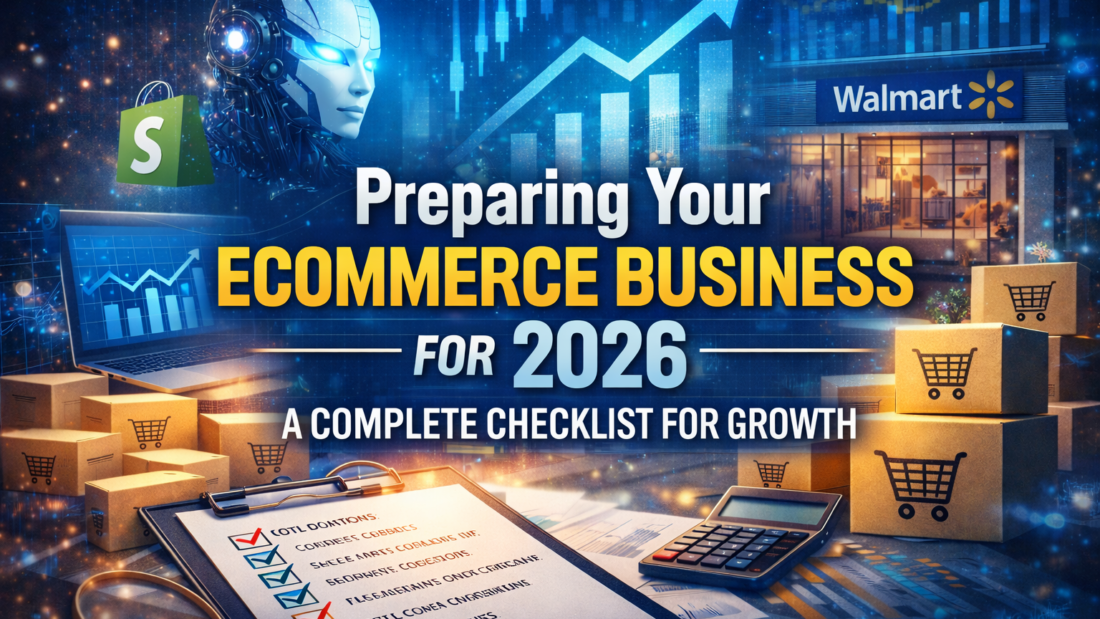
Preparing Your Ecommerce Business for 2026: A Complete Checklist for Growth

Ecommerce is moving faster than ever. What worked last year may already be outdated, and brands that fail to prepare early often spend the entire year playing catch-up.

As we step into 2026, successful ecommerce businesses are no longer guessing — they’re planning, optimizing, and building systems that scale.

At World Source Outsourcing (WSO), we work with Shopify and Walmart sellers serving the US market and see a clear pattern: brands that prepare in advance grow faster, waste less money, and build more stable revenue.

This checklist will help you audit your current setup and prepare your ecommerce business for sustainable growth in 2026.


1. Store & Website Optimization Checklist

Your store is the foundation of your growth. Before increasing traffic, ensure it converts.

✅ Mobile-first design and fast loading speed
✅ Clear value proposition above the fold
✅ Simplified navigation and search
✅ High-quality product images and videos
✅ Benefit-driven product descriptions
✅ Trust signals (reviews, badges, policies)
✅ Smooth and secure checkout process

Goal for 2026: Increase conversion rate before increasing ad spend.


2. Traffic & Marketing Strategy Checklist

Diversification is no longer optional.

✅ Paid ads with clear ROAS tracking
✅ Organic social content (Reels, Shorts, TikTok)
✅ Email marketing flows (welcome, abandoned cart, post-purchase)
✅ SMS for promotions and order updates
✅ SEO-optimized blog content
✅ Influencer or UGC partnerships

Goal for 2026: Reduce dependence on a single traffic source.


3. Marketplace Expansion Checklist (Walmart & Beyond)

Marketplaces continue to drive consistent, scalable sales.

✅ Walmart Marketplace optimization
✅ Competitive pricing and Buy Box strategy
✅ Optimized product listings (titles, bullets, images)
✅ Inventory and fulfillment planning
✅ Review and reputation management
✅ Expansion planning for additional marketplaces

Goal for 2026: Build stable revenue streams outside your main store.


4. Customer Experience & Retention Checklist

Acquisition is expensive — retention is profitable.

✅ Fast customer support response times
✅ Clear return and refund policies
✅ Personalized post-purchase communication
✅ Loyalty or rewards program
✅ Repeat-purchase email and SMS flows
✅ Review and feedback collection

Goal for 2026: Increase customer lifetime value (LTV).


5. Operations & Fulfillment Checklist

Growth breaks businesses without strong systems.

✅ Inventory forecasting and stock planning
✅ Reliable fulfillment partners
✅ Clear SOPs for daily operations
✅ Order tracking and delivery communication
✅ Refund and dispute management processes

Goal for 2026: Scale without operational chaos.


6. AI & Automation Readiness Checklist

AI is a growth tool — not a shortcut.

✅ AI-assisted product research
✅ Automated email and SMS campaigns
✅ AI support chatbots with human fallback
✅ Data dashboards and reporting automation
✅ AI-powered content drafts with human review

Goal for 2026: Save time while maintaining brand quality.


7. Outsourcing & Team Structure Checklist

Trying to do everything yourself limits growth.

✅ Identify repeatable tasks to outsource
✅ Dedicated store management support
✅ Marketing and creative execution support
✅ Customer service outsourcing
✅ Clear communication and performance tracking

Goal for 2026: Focus on strategy while experts handle execution.


8. Financial & Growth Planning Checklist

Growth without planning leads to cash flow problems.

✅ Monthly and yearly budget planning
✅ Clear CAC and profit margin tracking
✅ Marketing spend forecasts
✅ Tool and software cost audits
✅ Growth targets with realistic timelines

Goal for 2026: Grow profitably, not just quickly.


9. Brand & Long-Term Vision Checklist

Brands outperform stores in the long run.

✅ Clear brand positioning
✅ Consistent visual identity
✅ Strong messaging and storytelling
✅ Community building (email, social, content)
✅ Long-term roadmap beyond short-term wins

Goal for 2026: Build a brand customers remember and trust.


Final Thoughts: 2026 Belongs to Prepared Brands

Ecommerce success in 2026 will not be about chasing trends — it will be about execution, systems, and smart partnerships.

Brands that prepare early will:

  • Spend less to acquire customers

  • Scale faster with fewer risks

  • Build stronger, more profitable businesses


Ready to Prepare Your Ecommerce Business for 2026?

At World Source Outsourcing (WSO), we help ecommerce brands:

  • Optimize Shopify & Walmart stores

  • Build scalable systems

  • Reduce operational costs through smart outsourcing

  • Focus on growth while we handle execution

📩 Let’s prepare your ecommerce business for a stronger 2026 — together.