Rank Higher. Get Free Traffic. Scale Smarter.
In 2026, paid ads are more competitive than ever. That’s why smart ecommerce brands are doubling down on SEO.
If you’re running a Shopify store, this checklist will help you rank higher on Google, attract qualified traffic, and increase conversions — without increasing ad spend.
Let’s break it down.
1. Technical SEO Foundation (Fix This First)

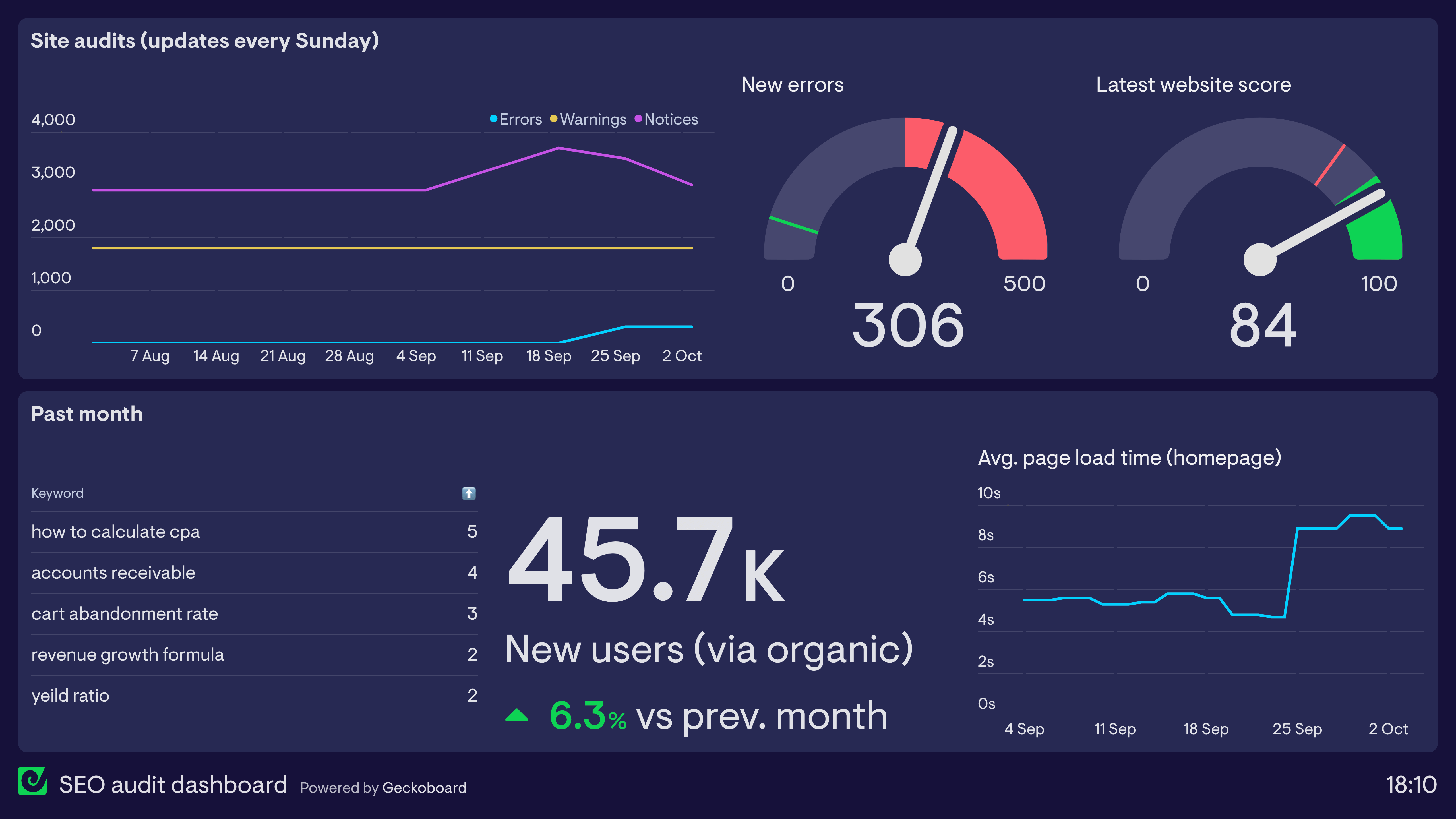
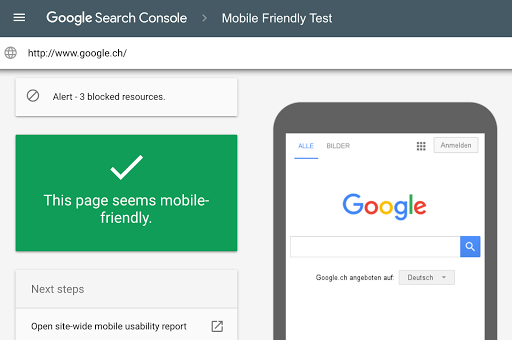
Before content and keywords, make sure your technical base is strong.
✅ Site Speed Optimization
-
Compress images (WebP format)
-
Remove unused Shopify apps
-
Use a lightweight, optimized theme
-
Lazy-load images
✅ Mobile Optimization
Over 70% of ecommerce traffic is mobile.
Make sure:
-
Fonts are readable
-
Buttons are easy to tap
-
Product images load fast
-
Checkout works smoothly
✅ Core Web Vitals
Focus on:
-
Largest Contentful Paint (LCP)
-
First Input Delay (FID)
-
Cumulative Layout Shift (CLS)
Google prioritizes fast, stable experiences.
2. Keyword Research for 2026
SEO in 2026 is intent-driven.
🎯 Focus on:
-
Commercial intent keywords
(“buy leather laptop bag online”) -
Problem-based keywords
(“best bag for remote workers”) -
Comparison keywords
(“Brand A vs Brand B”) -
AI-search optimized long-tail keywords
Tools You Can Use:
-
Google Search Console
-
Google Keyword Planner
-
Ahrefs / SEMrush
Target keywords with:
✔ Buying intent
✔ Medium competition
✔ Clear relevance to your product
3. Optimize Product Pages (Most Important)

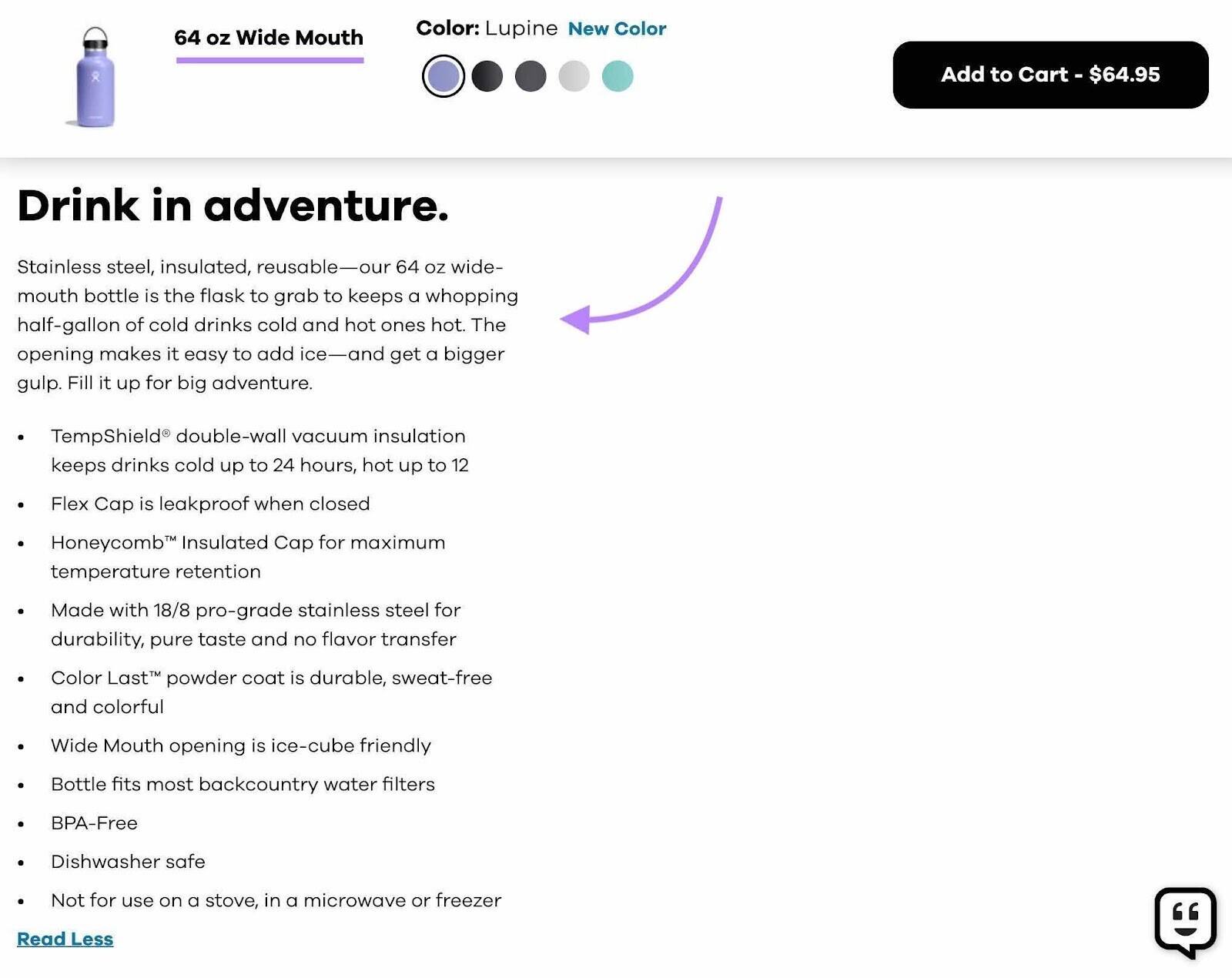
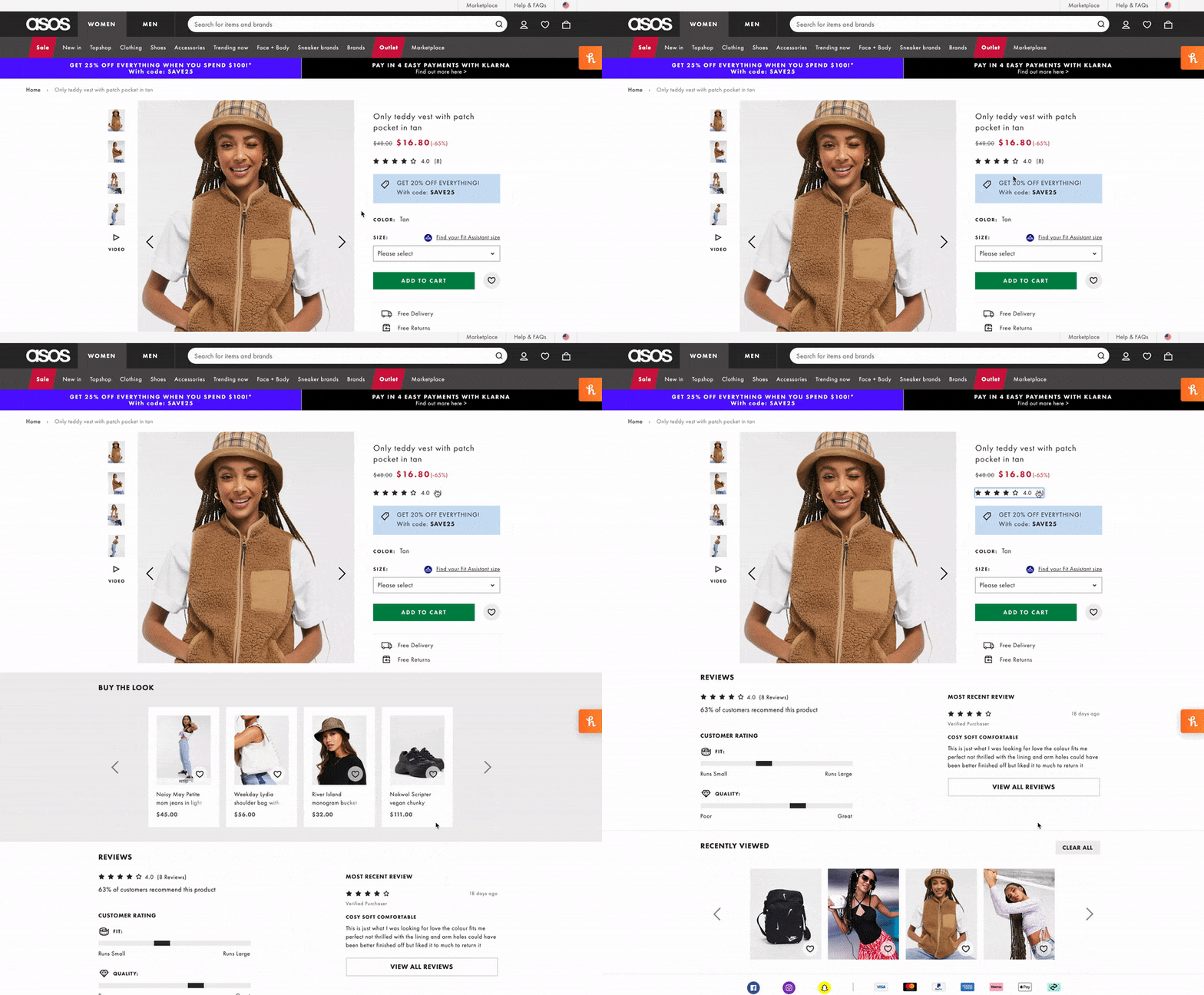
Your product pages are your money pages.
✔ SEO Title Optimization
Use this formula:
Primary Keyword | Benefit | Brand Name
Example:
Leather Laptop Bag for Men | Waterproof & Slim | BrandName
✔ Meta Descriptions
Write persuasive copy (not keyword stuffing).
Include:
-
Main keyword
-
Benefit
-
Call to action
✔ Product Descriptions
Avoid manufacturer copy.
Instead:
-
Focus on benefits
-
Use bullet points
-
Answer FAQs
-
Add internal links
✔ Add Structured Data (Schema)
Enable:
-
Product schema
-
Review schema
-
FAQ schema
This increases click-through rate in search results.
4. Collection Page SEO
Most Shopify stores ignore collection pages — big mistake.
Optimize:
-
Collection title with keywords
-
300–500 words of intro content
-
Internal links to top products
-
SEO-friendly URL structure
Example:
/collections/mens-leather-bags
Not:
/collections/collection-123
5. Content Marketing Strategy
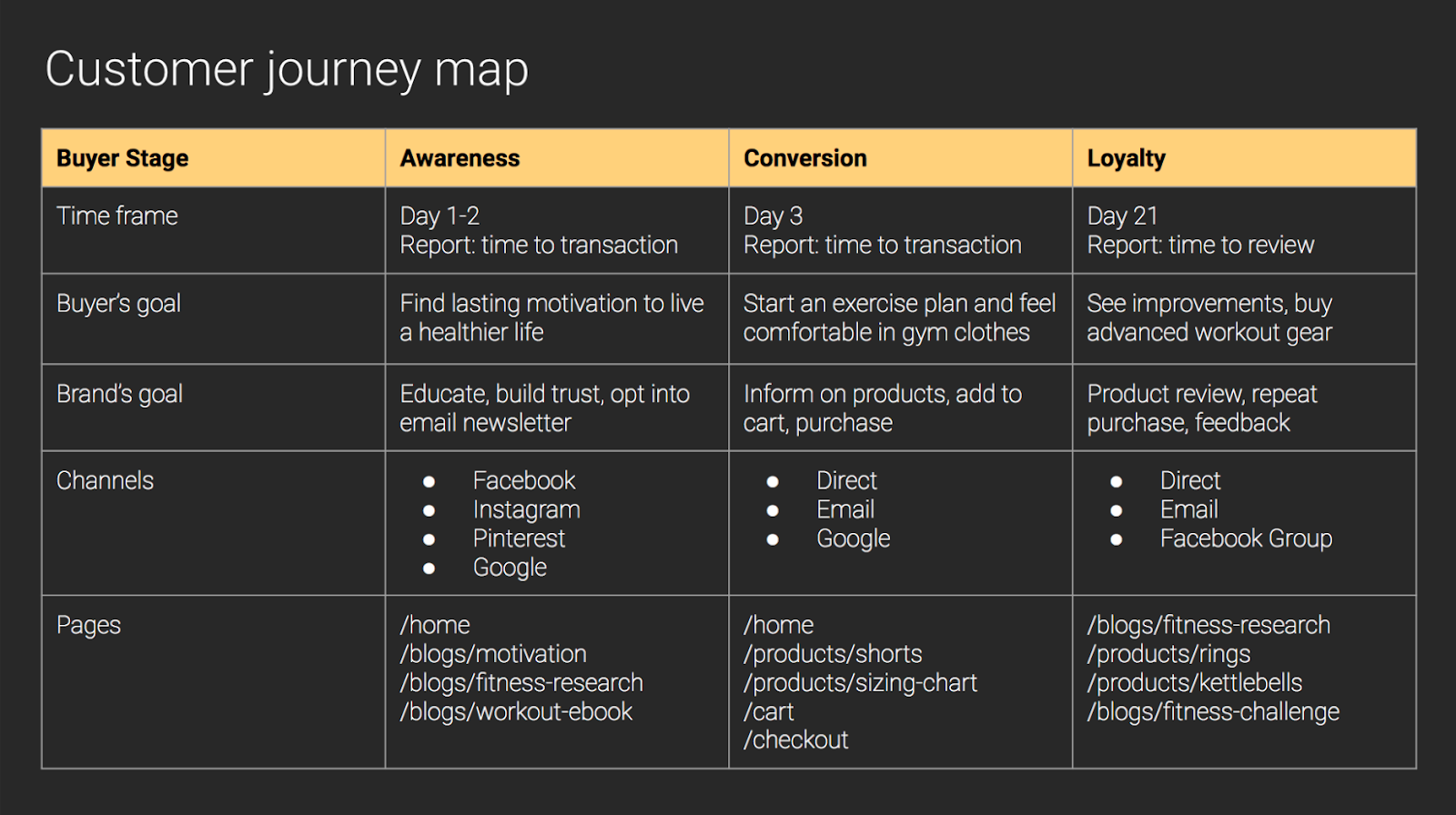


In 2026, informational content fuels commercial sales.
Write Blog Posts Around:
-
Buying guides
-
Product comparisons
-
Industry trends
-
Problem-solving topics
Then:
-
Internally link to product pages
-
Capture emails
-
Retarget blog readers with ads
SEO + Ads = powerful growth engine.
6. Internal Linking Structure
Help Google understand your store structure.
Best practices:
-
Link from blogs → collections
-
Link collections → products
-
Link related products together
-
Use keyword-rich anchor text (naturally)
7. Optimize Images for SEO
Most Shopify stores upload images named:
IMG_203948.jpg
Instead:
black-leather-laptop-bag.jpg
Also:
-
Add descriptive ALT text
-
Compress files
-
Use WebP format
8. Build Quality Backlinks
Backlinks still matter in 2026.
Strategies:
-
Guest posts
-
PR features
-
Influencer collaborations
-
Niche directories
-
HARO-style outreach
Focus on relevant sites in your niche — not spammy links.
9. Optimize for AI & Voice Search
Search is changing.
To prepare:
-
Use conversational FAQs
-
Answer direct questions clearly
-
Structure content for snippets
-
Add schema markup
Think like your customer would speak.
10. Track & Improve
SEO is not one-time work.
Track:
-
Keyword rankings
-
Organic traffic
-
Conversion rate from organic
-
Top landing pages
-
Bounce rate
Use:
-
Google Analytics
-
Google Search Console
Double down on pages that already rank on page 2 — they’re easiest to push to page 1.
Final Thoughts
Shopify SEO in 2026 is about:
✔ Technical strength
✔ Intent-based keywords
✔ Optimized product pages
✔ Smart content strategy
✔ Authority building
Paid ads bring fast results.
SEO builds long-term profit.
The brands that win in 2026 won’t rely on one channel.
They’ll build systems that generate traffic consistently.
If you want a customized SEO audit for your Shopify store, start with this checklist — then refine based on data.
Organic traffic is the most profitable traffic.